


Forty percent of investment advisory firms have already deployed AI tools internally. Nearly half of those firms have no formal process to test or validate what those tools actually produce. That gap between adoption speed and governance maturity is not a rounding error. It is where the next wave of regulatory enforcement in wealth management is going to land.
The Fiduciary Standard Did Not Get Softer
Most firms still see AI-driven personalization as a technology upgrade: faster analysis, more tailored recommendations, and client communication at scale. Regulators do not share that view. Across major markets, the message is clear: automation does not lower the bar for compliance. Fiduciary and suitability standards, marketing rules, and record-keeping requirements apply as strictly—or more so—when advice comes from an algorithm.
This is not theoretical. To meet fiduciary duty, an AI-generated recommendation must account for the same factors a human advisor would: financial situation, investment goals, risk capacity and willingness, experience, and portfolio concentration. If a model produces advice that sounds reasonable but cannot show how it considered these inputs, it fails the standard—regardless of technical sophistication.
The Rubber-Stamp Trap
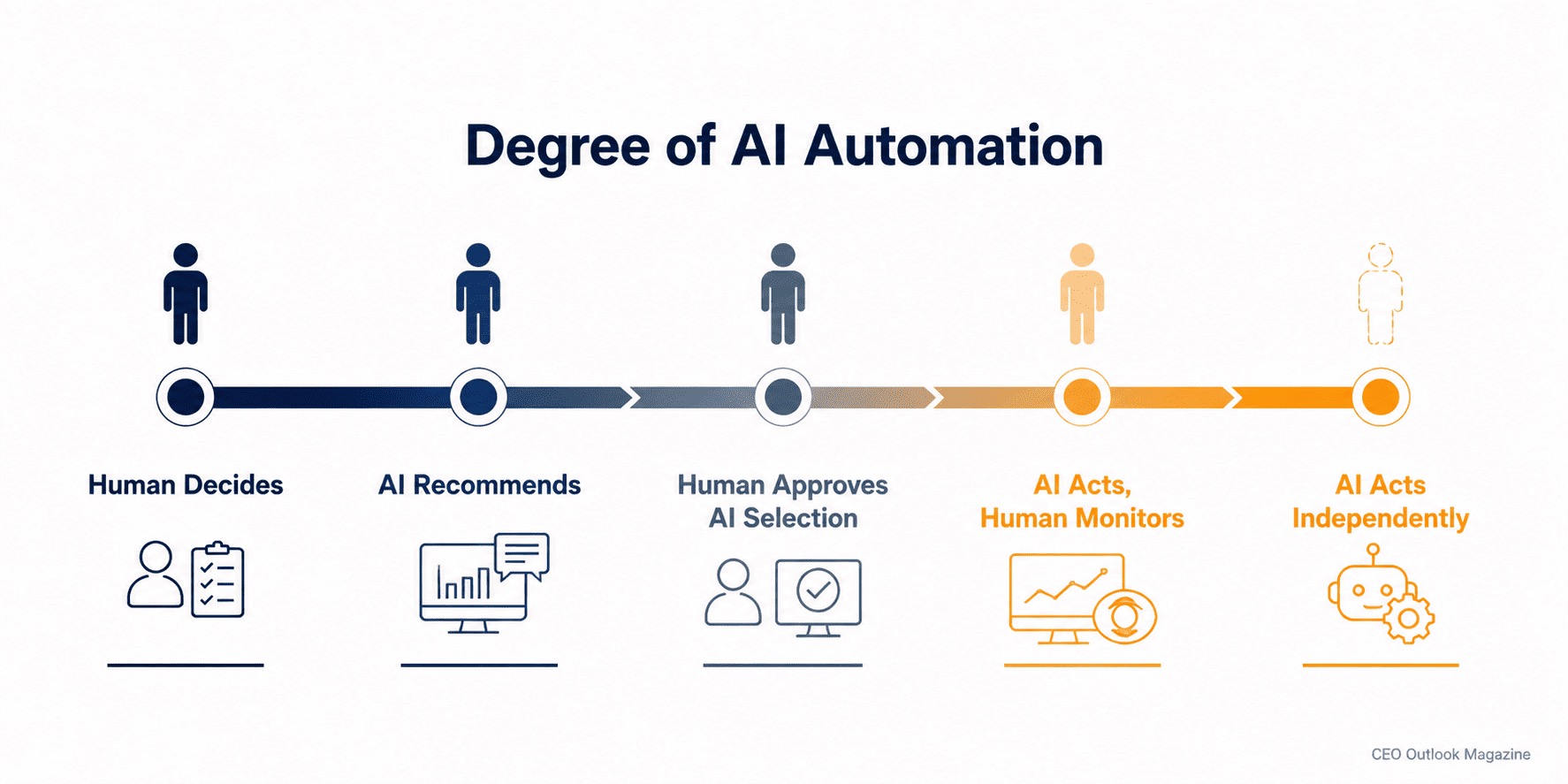
The bigger risk is not ignoring AI oversight, but pretending to have it. When a human reviewer signs off on AI-generated advice without real analysis, the firm inherits liability without the protection of actual judgment. Regulators look for substance, not process. A documented approval with no evidence of scrutiny will not stand up to examination.
This is where the 44 percent validation gap becomes a real liability. Firms using AI without formal testing or validation are effectively running unsupervised advice engines, signed off by humans in name only. The SEC has already put AI on its examination agenda. Firms should expect questions about AI use and governance in routine exams, not just after something goes wrong.
When the Marketing Becomes the Liability
The exposure is not confined to the advice itself. Enforcement activity has already established that overstating AI capabilities in client-facing marketing violates the rule governing untrue or unsubstantiated advertising claims for registered investment advisers. A firm that markets its personalization capability as "AI-powered" without being able to substantiate it. The risk does not stop at advice. Regulators have already acted against firms that exaggerate AI capabilities in marketing. If a firm claims "AI-powered" personalization but cannot show exactly what the technology does or how outputs are validated, it is exposed under advertising rules—regardless of whether any individual recommendation is challenged. This has led to what some now call AI-washing: marketing advanced AI while governance cannot back up the claim. Risk can be deployed with lighter oversight. Client-facing marketing and communication sit in a higher-risk tier requiring careful review of tone, accuracy, and substantiation before anything reaches a client. Anything touching the investment process, portfolio construction, recommendation generation, or risk profiling sits in the highest-risk tier and should not run without documented human judgment layered on top of the model's output, along with clear explainability of how the recommendation was reached.
Vendor due diligence deserves the same rigor. Before deploying any third-party AI tool, firms need clarity on whether client data trains the underlying model. Before using any third-party AI tool, firms need to know whether client data trains the model, what cybersecurity controls and audits are in place, and whether the vendor keeps firm and client data isolated. Outsourcing technology does not transfer fiduciary or compliance responsibility. Do not treat AI governance as a phase-two problem to solve after the product ships. The firms most exposed to enforcement risk over the next several years will not be the ones that moved slowly on AI. They will be the ones that moved fast on personalization while treating validation, documentation, and explainability as optional. Given how directly regulators have already signalled where they are looking, that risk is not worth taking for the sake of a faster rollout.
Most firms are still figuring out how to balance AI-driven personalization with fiduciary and compliance demands. The trade-offs are real, and the risks of failure are not hypothetical. Senior leaders need to be honest about where their processes fall short and what must change to meet both client expectations and regulatory scrutiny.