

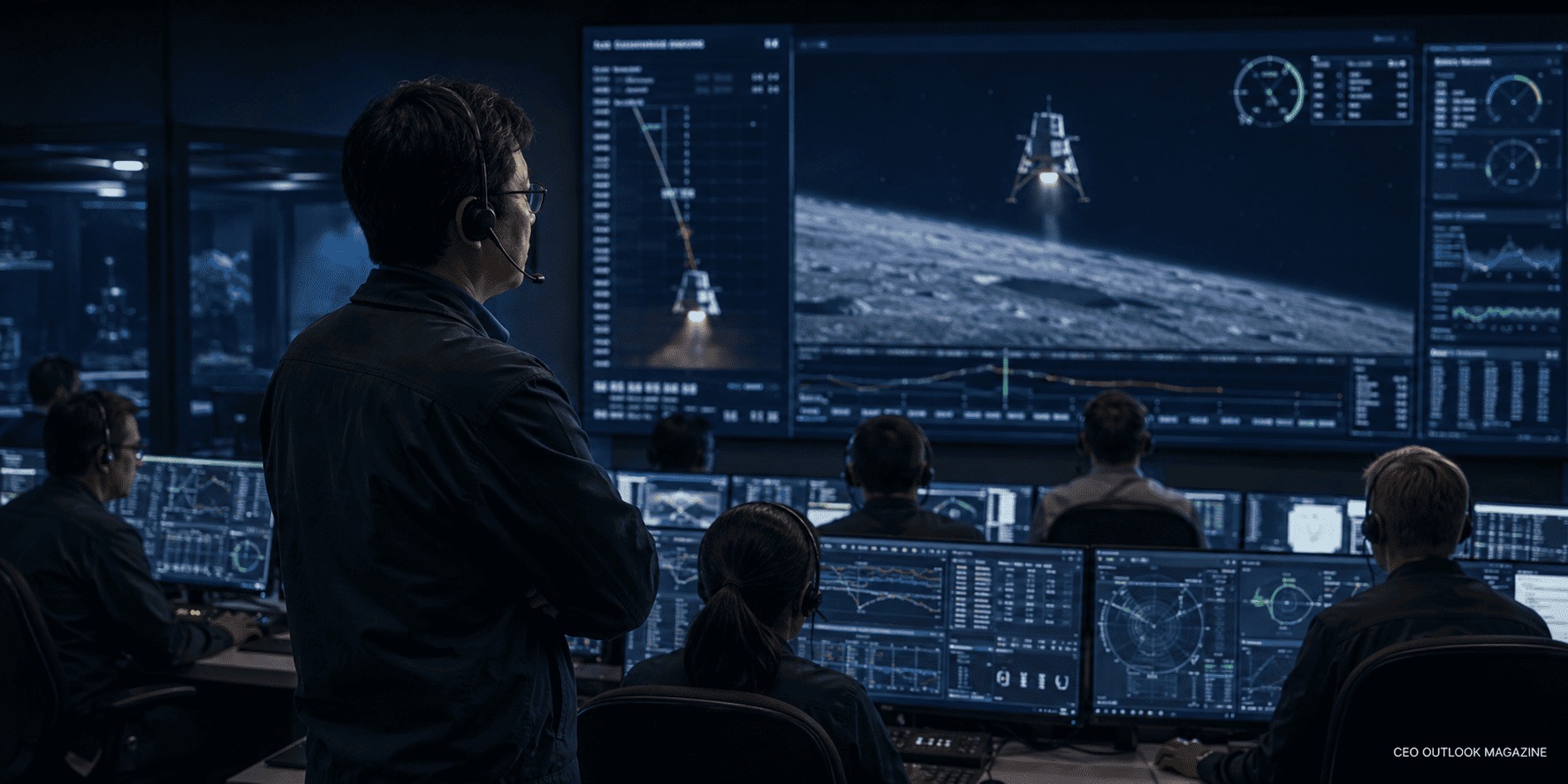
On June 5, 2025, ispace lost contact with its Resilience lunar lander just 192 meters above the moon's surface. This marked the company's second failed landing attempt in as many years. CEO Takeshi Hakamada addressed the outcome directly, without excuses or attempts to soften the reality. His actions in the aftermath provide a clear example of how to lead through repeated, public operational failure.
The Second Failure, In His Own Words: Hakamada responded with direct personal accountability, not corporate distancing. He apologized to the mission team and made clear the company needed to address the failure seriously. CTO Ryo Ujiie declined to speculate on the cause until the data had been reviewed, avoiding premature explanations. This approach—accountability combined with technical discipline—set the operational tone for the weeks that followed.
What He Said in the Moment That Mattered More Than the Failure Itself
Hakamada went beyond standard damage control. He referenced SpaceX's early failures before Falcon 9's eventual success and stated that ispace would continue its efforts to land on the moon. This was a direct, fact-based comparison, not an attempt at motivational messaging. He placed ispace's setback in the context of established industry precedent.
The 18-Day Discipline
The operational follow-through was more telling than the press conference. ispace completed and published a technical cause analysis within 18 days—a notably fast turnaround for a complex investigation. The report did not claim a single root cause. Instead, it acknowledged ambiguity: the lander's laser rangefinder showed measurement delays during descent, but it was unclear whether the lag caused the excess speed or resulted from it. Hakamada emphasized the need for rapid, transparent disclosure to shareholders, customers, and government partners. Many organizations in similar situations delay or obscure such findings; ispace did not.
The Learning That Actually Carried Forward
This was not ispace's first high-profile failure. After Mission 1 in 2023, the company identified and applied technical improvements to Mission 2, including faster assembly and testing. The learning was real, but Mission 2 failed for unrelated reasons. The key point: organizational learning does not guarantee immediate success, especially in high-risk domains, but it does show the company is not repeating the same mistakes.
Six Months Later, the Same Honesty
Six months later, Hakamada did not claim the setback was resolved. In his New Year's statement, he described 2025 as a year of challenges and learning, acknowledged the frustration of Mission 2's failure, and avoided the temptation to move on in public messaging. He pointed to specific technological milestones and operational insights gained. ispace committed to strengthening its technical and organizational foundations to improve the design maturity of its next lander—a concrete operational response, not a general promise.
What This Means for Aerospace and Broader Leadership
The results are measurable. ispace secured funding for a third landing attempt before the second failure analysis was complete and remains positioned in both Japan's national space strategy and US lunar policy. Most companies facing two consecutive, public failures would struggle to maintain investor and government support. Hakamada's approach—personal accountability, evidence-based communication, rapid and transparent disclosure, and concrete organizational learning—offers a practical model for executives managing repeated, visible setbacks.
Most organizations default to controlled messaging after public failure. Few maintain immediate accountability and transparency. The distinction is not academic: it shapes stakeholder confidence and long-term resilience.