

A lethal autonomous weapon system, as defined by the International Committee of the Red Cross, is one that can search for, identify, select, and attack targets without meaningful human intervention. This definition is not academic hair-splitting. It draws a clear line: the core ethical question is not whether machines support military operations—they have for decades—but whether a machine can replace the human judgment needed to distinguish combatant from civilian and make life-or-death decisions.
What "Autonomous Weapon" Actually Means, Precisely
Weapons operating without real-time human input are not new. Naval mines, torpedoes, and cruise missiles have long used stimulus-response mechanisms to strike targets without direct human authorization. The difference now is not the presence of autonomy, but its reach. Autonomy is moving into areas that require judgment: distinguishing civilians from combatants, weighing proportionality, and aborting attacks when conditions change. International humanitarian law has always assumed these decisions rest with humans, not machines.
The Accountability Gap at the Center of the Debate
This shift creates the so-called accountability gap, a central issue in policy debates on autonomous weapons. International humanitarian law relies on human judgment to uphold principles like proportionality and distinction, and assumes a human can be held responsible when those principles are breached. When a machine makes these decisions, current frameworks struggle to assign responsibility. If no human is accountable for a weapon’s lethal actions, and the machine cannot bear responsibility, the system fails a basic test of moral responsibility in warfare.
The Case for Autonomy That Rarely Gets a Fair Hearing
The debate is not simply about ethical humans versus unethical machines. There is a credible argument that well-designed autonomous systems could reduce harm by applying greater precision and consistency, avoiding the fear and stress that often lead human soldiers to make fatal mistakes. Proponents claim these systems could enforce the law of war more reliably than humans and that their speed could shorten conflicts, potentially saving lives. This position deserves real consideration alongside concerns about accountability.
Where the World's Governments Actually Stand
Governments are divided on how to address this issue. The US Department of Defense has rejected a ban, opting instead for its 2020 Ethical Principles for Artificial Intelligence, which focus on responsible, traceable, and governable development within a human command structure. A 2023 update to the Department’s directive did not prohibit specific systems but established a review process to ensure appropriate human judgment over the use of force. This approach reflects operational realities seen in Ukraine, where electronic warfare can sever communications with remotely piloted systems, making some autonomy operationally necessary. The State Department’s 2023 Political Declaration on Responsible Military Use of AI and Autonomy has 58 state endorsements, while about 30 countries and 165 NGOs have called for a preemptive ban on lethal autonomous weapons. The UN Secretary-General has proposed a legally binding treaty to prohibit remote operation of such systems without human oversight, aiming for completion in 2026, but international consensus remains limited. In the US, a bipartisan group introduced the Human Authority over Autonomous Weapons Act in July 2026, based on a straightforward principle: a machine should not have sole authority to decide to kill a human, though implementation details remain under debate.
The Ethics Problem Getting Far Less Scrutiny Than "Killer Robots"
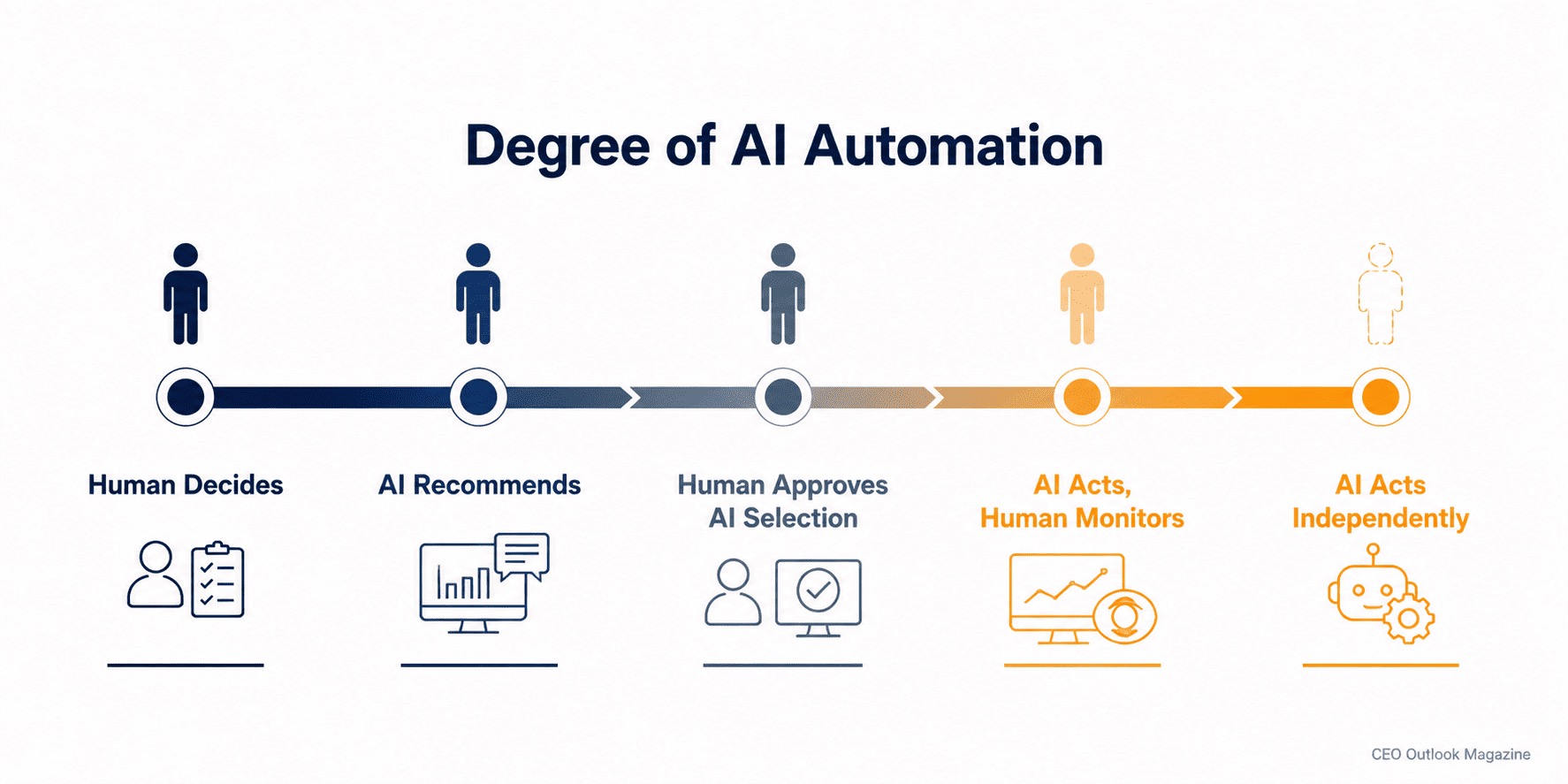
A genuinely underexamined dimension of this issue sits well outside the public "killer robots" framing entirely. While lethal autonomous weapons dominate public debate, a parallel area receiving far less scrutiny than lethal autonomous weapons is the use of large language models in strategic decision-making. The Defense Department’s Combined Joint All-Domain Command and Control initiative promotes these models for scenario planning and decision support, generating options for commanders under time pressure. Here, machines are not pulling triggers, but shaping which choices human leaders see. This raises its own accountability questions, which are often overlooked compared to the focus on fully autonomous weapons. Question about whether weapons should ever act autonomously. It requires genuine attention to where on the automation spectrum, from systems offering recommendations a human can reject to systems acting without real-time authorization, a given technology actually sits, and equally serious scrutiny of AI systems shaping strategic decisions long before any weapon is involved at all.
Most organizations focus on the ethics of autonomous weapons, but often overlook the risks in decision-support systems. Senior leaders should ask whether their approach to AI ethics addresses both. The operational consequences of missing this distinction are significant.