

The headline figure—over 90,000 apartments now being converted from empty office space, up 28 percent year over year—gets repeated as evidence that downtowns are working through the post-pandemic office surplus. The less discussed reality is that only about 24 percent of US office buildings are even physically suitable for conversion. The financial and policy incentives are functioning as intended. The real constraint is the underlying building stock, a factor that receives far less attention than it should.
The Vacancy Crisis Behind the Headline Number
Conversion has shifted from a niche redevelopment tactic to a mainstream response because the underlying problem is large and persistent. National office vacancy is close to 20 percent, a direct result of the shift to hybrid work. Manhattan's vacancy rate is 22.3 percent, nearly double its pre-pandemic level. Downtown Los Angeles is at 35 to 36 percent, among the highest in the country. At the same time, about $213 billion in commercial real estate loans are coming due, forcing owners to make hard decisions about underperforming assets. For many, conversion is no longer a creative option but a financial necessity.
The Story Nobody's Telling
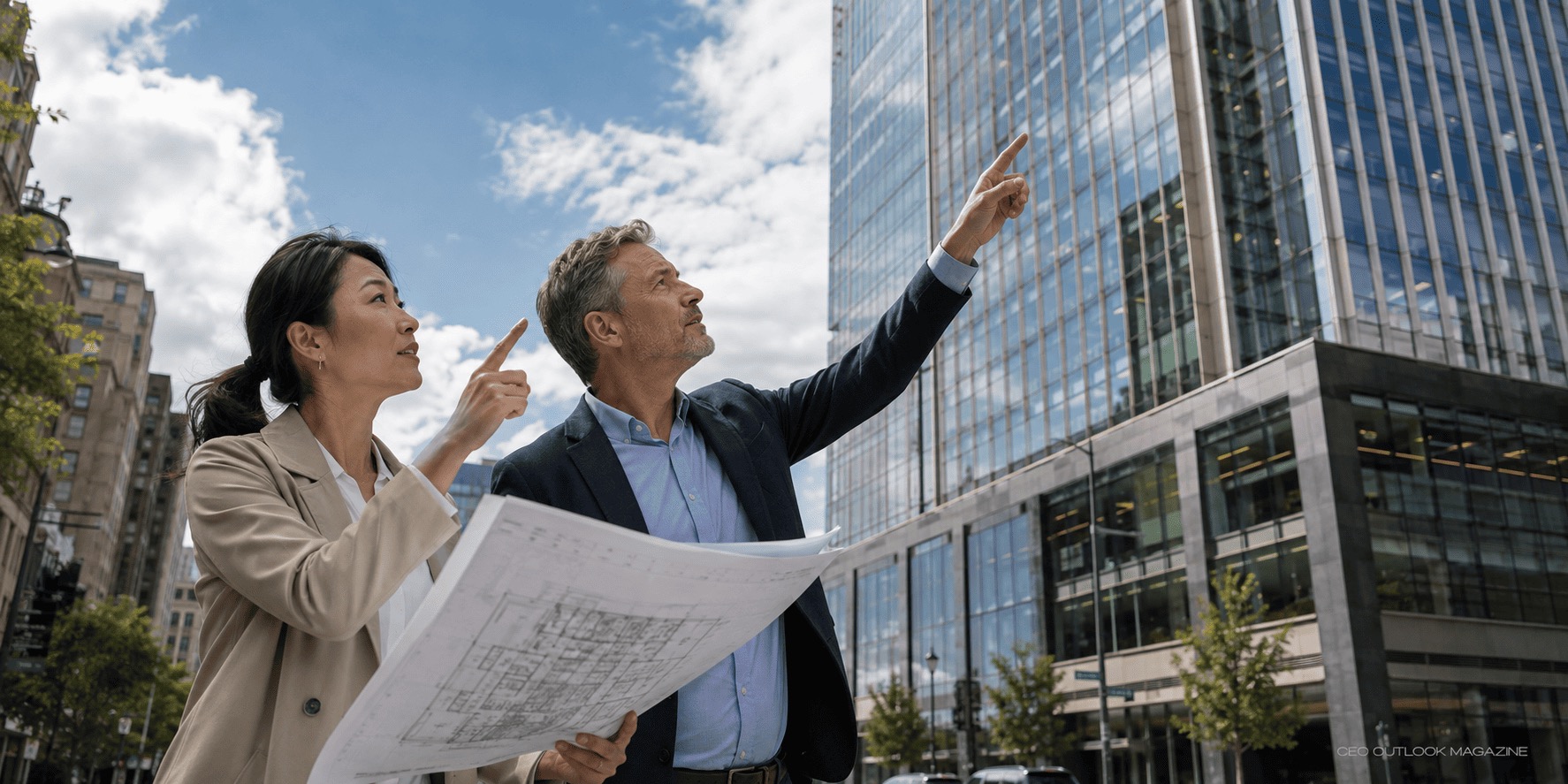
Most analysis frames this as a finance and policy issue—vacancy rates, loan maturities, tax incentives. That misses the more fundamental point: office-to-residential conversion is first a design and engineering challenge. According to Yardi Matrix, only about 24 percent of US office space meets the physical criteria for conversion, such as floor plate depth, access to natural light, and structural configuration. The rest is not simply waiting for better incentives. Many buildings have floor plates too deep for adequate light, mechanical systems that do not support residential plumbing, or structural grids that make efficient apartment layouts impractical, regardless of available capital.
This distinction matters enormously for how cities should plan their response. A policy environment generous enough to make conversion financially attractive does nothing for a building that fails on physical feasibility grounds—treating every vacant office tower as a potential conversion candidate, rather than distinguishing structurally viable buildings from those that are not, risks misallocating incentive dollars and delaying the harder decisions some buildings genuinely require.
The Landmark Proving What's Possible
Where conversion is physically viable, the scale is now material. 25 Water Street in Lower Manhattan is the largest office-to-residential conversion in US history, with 1.1 million square feet converted into 1,320 residential units. Manhattan's conversion activity has accelerated as more projects of this size become feasible: from less than 1.2 million square feet converted annually before 2020, to 1.6 million in 2023, 3.3 million in 2024, and 4.1 million as of August 2025. Another 8.8 million square feet across 25 properties is in the pipeline.
The Policy Machine Now Aligned Behind It
Government incentive structures have moved decisively to support conversion where it is physically feasible. New York City offers tax exemptions of up to 90 percent for converted buildings that designate at least 25 percent of units as affordable housing. Los Angeles passed its Citywide Adaptive Reuse Ordinance in February 2026, substantially streamlining zoning requirements for conversion projects. California's AB 1490 created a fast-track approval process specifically for fully affordable adaptive reuse projects, bypassing traditional local zoning hurdles for developments meeting strict affordability and labor standards. For the first time in this cycle, policy and market incentives are genuinely aligned, a meaningful shift from earlier years when regulatory friction routinely offset the financial case for conversion.
What Cities Actually Need to Decide
The more difficult question is what to do with the three-quarters of office inventory that cannot be converted under current standards. Some buildings may remain viable for a smaller group of tenants willing to accept older space at lower rents. Others will require demolition and full redevelopment, a slower and more capital-intensive process. In some cases, land banking underperforming assets may be more rational than forcing uneconomic conversions or demolitions before market conditions are clearer. Cities that treat conversion incentives as a comprehensive solution, rather than a tool for a specific subset of buildings, risk finding years from now that much of their office stock remains in limbo because the harder decisions were deferred.
Most organizations focus on incentives, but the more important question is whether their redevelopment strategy distinguishes between buildings that are actually convertible and those that are not. Treating all vacant office space as equally viable risks wasted effort and capital. The harder work is in making those distinctions early.