

Three years ago, most companies defined resilience as holding extra inventory and hoping for enough warning to respond to the next disruption. That definition no longer fits. Today, 72 percent of trade professionals cite tariff volatility as the most disruptive force in their supply chains, up from 41 percent a year ago. The shock has shifted, and so has the practical meaning of resilience.
Three Years, Three Different Kinds of Shock
The pandemic exposed the limits of single-source dependency and just-in-time inventory. When a critical input failed to arrive, there was little room to maneuver. Most companies responded by building buffer stock, diversifying suppliers where possible, and accepting higher holding costs as the price of reduced risk. Geopolitical friction and shipping disruptions reinforced the same point: concentration risk, whether in suppliers, regions, or logistics, is the structural weakness.
The current shock is different. Trade policy volatility, driven by shifting US tariffs and the end of exemptions like the US$800 de minimis threshold, now dominates. This is not a supply interruption but a moving target for cost and compliance. In 2025, 82% of supply chain leaders reported operational impacts from new tariffs, with many citing higher material costs and weaker per cent. Stockpiling does not address this kind of disruption; new tariffs affected their operational resilience.
From Stockpiling to Selective Optionality
The real shift is not simply more inventory. The operating model itself has changed. Just-in-time, once the default for minimizing inventory and cost, no longer works as a universal strategy. Many now prioritize proximity, speed, and flexibility over lowest cost, accepting higher unit costs in exchange for predictability.
Despite political rhetoric, most companies are not moving manufacturing back wholesale. Recent European data shows nearshoring within the EU is actually declining, with only modest increases in reshoring. The reality is targeted, reversible adjustments. Companies add nearer-shore options for high-risk components or markets, but leave lower-risk sourcing unchanged. Relocating an entire supply base is slow, costly, and hard to undo. The more accurate description is selective regional modularity: standardizing components for regional production and assembling closer to the end market, reducing complexity without abandoning global sourcing.
Real Resilience Requires Capital Most Companies Don't Have
The companies executing this shift most effectively are, unsurprisingly, the ones with the balance sheets to do it. Federal announcements tracked through 2025 pointed to more than US$ 200 billion in multi-year US manufacturing investments. Federal data shows over US$200 billion in multi-year US manufacturing investments through 2025, much of it from large industrial and pharmaceutical firms building domestic capacity to reduce tariff and supply chain risk. Structural investments like new facilities and dual-sourcing are real resilience strategies, but they are only available to companies with significant capital. Tariff-related costs, nearly triple the roughly US$3,800 monthly average from early 2024, and a meaningful share of businesses importing directly from China report tariff costs now exceeding 10 percent of their total cost of goods sold. For these companies, "resilience" in the past year has largely meant absorbing cost increases and renegotiating supplier contracts, the two most commonly cited tariff mitigation strategies, rather than executing the kind of structural sourcing overhaul larger competitors can fund.
What Is Actually Working, Regardless of Company Size
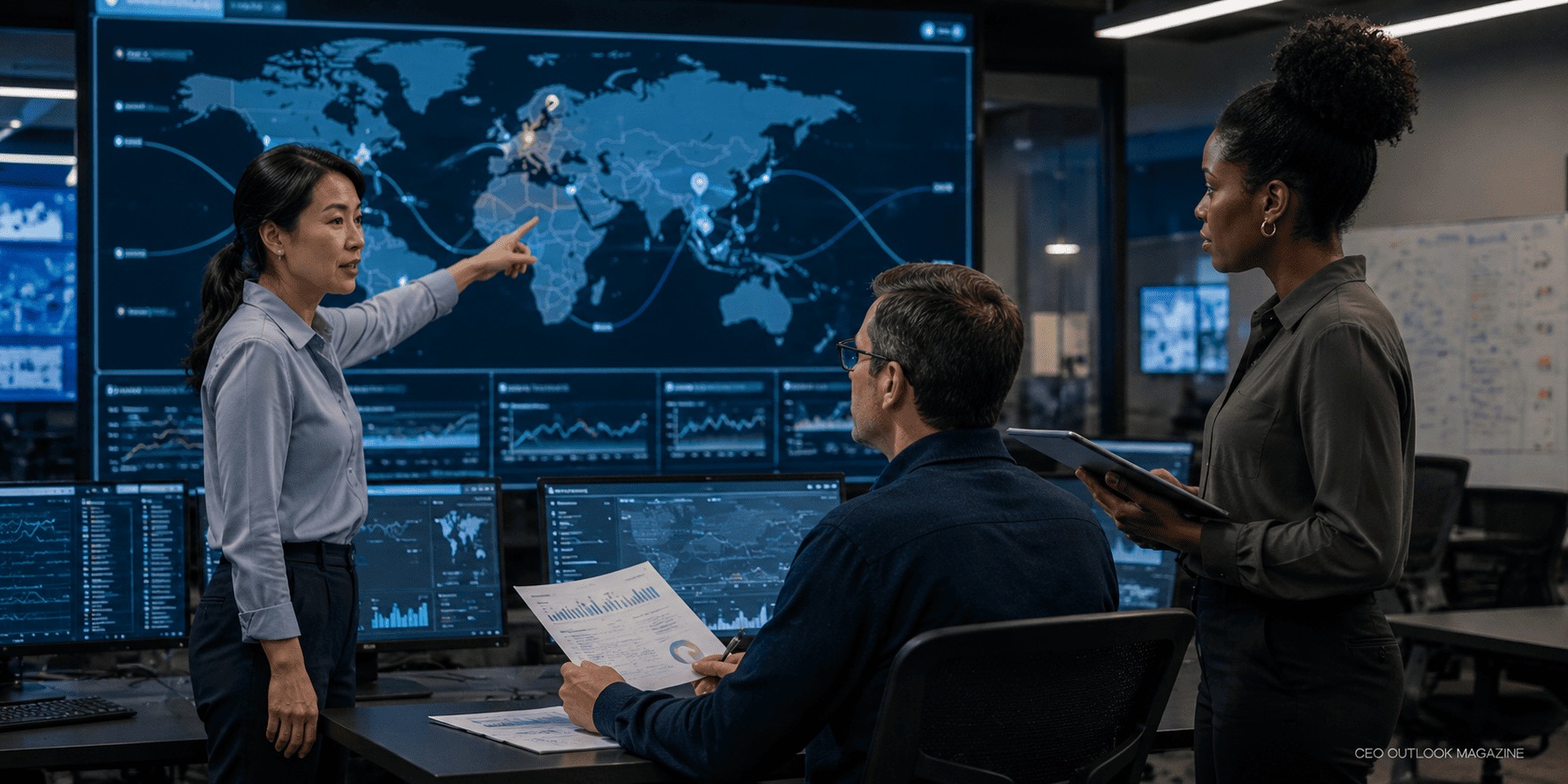
One lever works for companies of almost any size: supply chain data visibility. Trade-policy shocks are as much data problems as sourcing problems. A tariff change can alter customs classification, landed cost, and even the permitted carrier. Companies with integrated data systems can often adapt with a configuration change. Those with fragmented systems face weeks of work for each policy shift. This has become a clear line between resilient and reactive supply chains, regardless of size or reshoring budget.
The Real Lesson From Three Years of Shocks
The companies that have genuinely built resilience since the pandemic did not simply stockpile more inventory or relocate production wholesale. They built the capacity to quickly reconfigure specific, high-risk parts of their supply chain, backed by data systems. The companies that have actually built resilience since the pandemic did not just add inventory or move production. They built the ability to quickly reconfigure high-risk parts of their supply chain, supported by flexible data systems that can absorb policy shifts without a full rebuild. This is a more disciplined and less dramatic story than the headlines suggest. Still, it is the version of resilience that has held up through three years and three types of shocks, actually working in global manufacturing.