

SoftBank is reportedly in talks to acquire Gravis Robotics, a two-year-old Swiss startup, for more than US$500 million, just weeks after the company raised a US$200 million Series A. Construction remains one of the few major industries where productivity has stagnated or declined, even as most sectors have improved. The recent influx of capital into construction robotics reflects a belief among investors that this persistent gap is not structural inevitability, but a solvable problem.
The Industry Nobody Automated
The productivity gap in construction is well known, but only recently has capital begun to treat it as a market opportunity rather than a permanent feature of the industry. Unlike manufacturing, agriculture, or logistics, which have absorbed decades of automation investment, heavy civil construction remains labor-intensive, project-specific, and largely untouched by automation. Chronic underinvestment in a large global market is the kind of inefficiency that attracts venture capital.
The Retrofit Strategy Almost Everyone Is Betting On
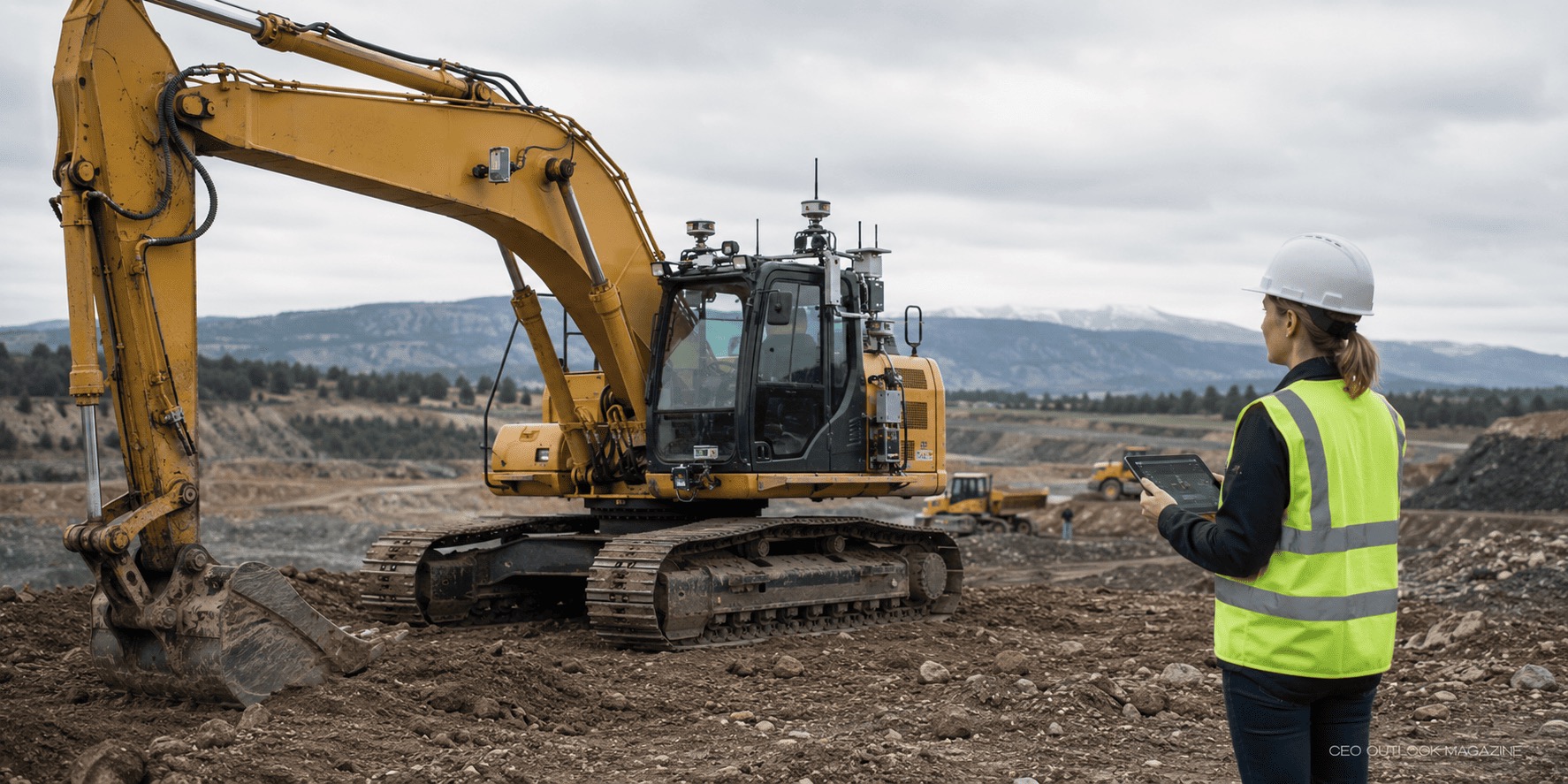
Most of the best-funded startups are not building new autonomous machines from the ground up. Instead, they are retrofitting the heavy equipment contractors already own. Bedrock Robotics, with more than US$350 million raised across two rounds, installs autonomous technology on existing machinery rather than manufacturing new equipment. Gravis Robotics, spun out of ETH Zurich, uses proprietary hardware to turn conventional excavators and other machines into autonomous systems without requiring fleet replacement. TerraFirma, led by former SpaceX engineers and backed by a US$100 million Series A, combines AI-driven preconstruction software with semi-autonomous control across multiple types of equipment, all managed remotely by a single operator. Xpanner, based in Seoul and Southern California, offers a retrofit kit and subscription software that adds task-specific automation to existing machinery.
The retrofit-first strategy is a direct response to construction's economics. Heavy equipment is a significant capital investment, and most contractors are unwilling to replace it wholesale. Startups offering autonomy as an upgrade to existing equipment face a much lower adoption barrier than those requiring firms to buy new fleets.
The Money Says This Isn't Hype Anymore
The capital now flowing into construction robotics is no longer experimental. Field AI closed a US$314 million Series B, accounting for a significant share of recent sector funding. Mind Robotics raised more than US$500 million across two rounds in a single year. Investment is shifting away from software tools for project management, estimating, and compliance, and toward machines that physically change how work is done on site. Investors are moving beyond incremental efficiency tools and backing technology that changes who, or what, operates the equipment.
The Exit That Validates the Bet
Venture funding signals investor conviction, but acquisition interest from a strategic buyer is a stronger indicator. It suggests that an established player believes the technology is close enough to commercial viability to justify a premium. If SoftBank acquires Gravis Robotics for more than US$500 million, just months after its Series A, it would be one of the largest exits in construction robotics to date and a clear sign that the sector is moving beyond early-stage speculation.
What's Still Unproven
None of this means autonomous heavy equipment has fully arrived across construction broadly. Deployment history remains genuinely uneven across different categories of work: layout, measurement, and civil earthmoving autonomy have accumulated the most real-world operating hours and the strongest repeat-purchase patterns, while newer categories including interior work, mechanical and electrical installation, and finishing tasks remain considerably earlier in their commercial maturity, with thinner track records and correspondingly smaller average funding rounds. Construction sites are also genuinely different operating environments than the controlled settings where most industrial automation has historically succeeded: fragmented, project-based, safety-critical, and subject to constantly changing physical conditions from one job to the next. The startups attracting the largest checks are the ones that have found ways to work within that reality, retrofitting rather than replacing, remote-supervising rather than fully removing human oversight, rather than the ones promising a fully autonomous job site overnight.
What This Means for Construction Leadership
For construction executives weighing whether to engage now or wait for further maturity, the SoftBank acquisition talks and the scale of recent funding rounds suggest waiting carries real opportunity cost. The startups disrupting heavy construction are no longer selling a future promise. They are selling a retrofit that works today on the equipment contractors already operate, backed by capital increasingly convinced that construction's decades-long resistance to automation was a market inefficiency waiting to be solved, not a permanent structural fact of the industry.
Is your organization evaluating autonomous retrofit technology for its existing heavy equipment fleet? CEO Outlook Magazine wants to hear your perspective — share your view with our editorial team, and subscribe to our newsletter for more coverage on the startups reshaping heavy construction.