

Craig Piggott started as an engineer at Rocket Lab, building satellites. In 2016, he left to develop a solar-powered collar for cattle. Today, Halter has raised $220 million, is valued at $2 billion, and operates on nearly a million cattle across three continents. Unlike most agricultural technology, Halter is not about expanding acreage. The focus is on extracting more value from existing land, using data instead of additional infrastructure.
From Rocket Science to Cattle Operations
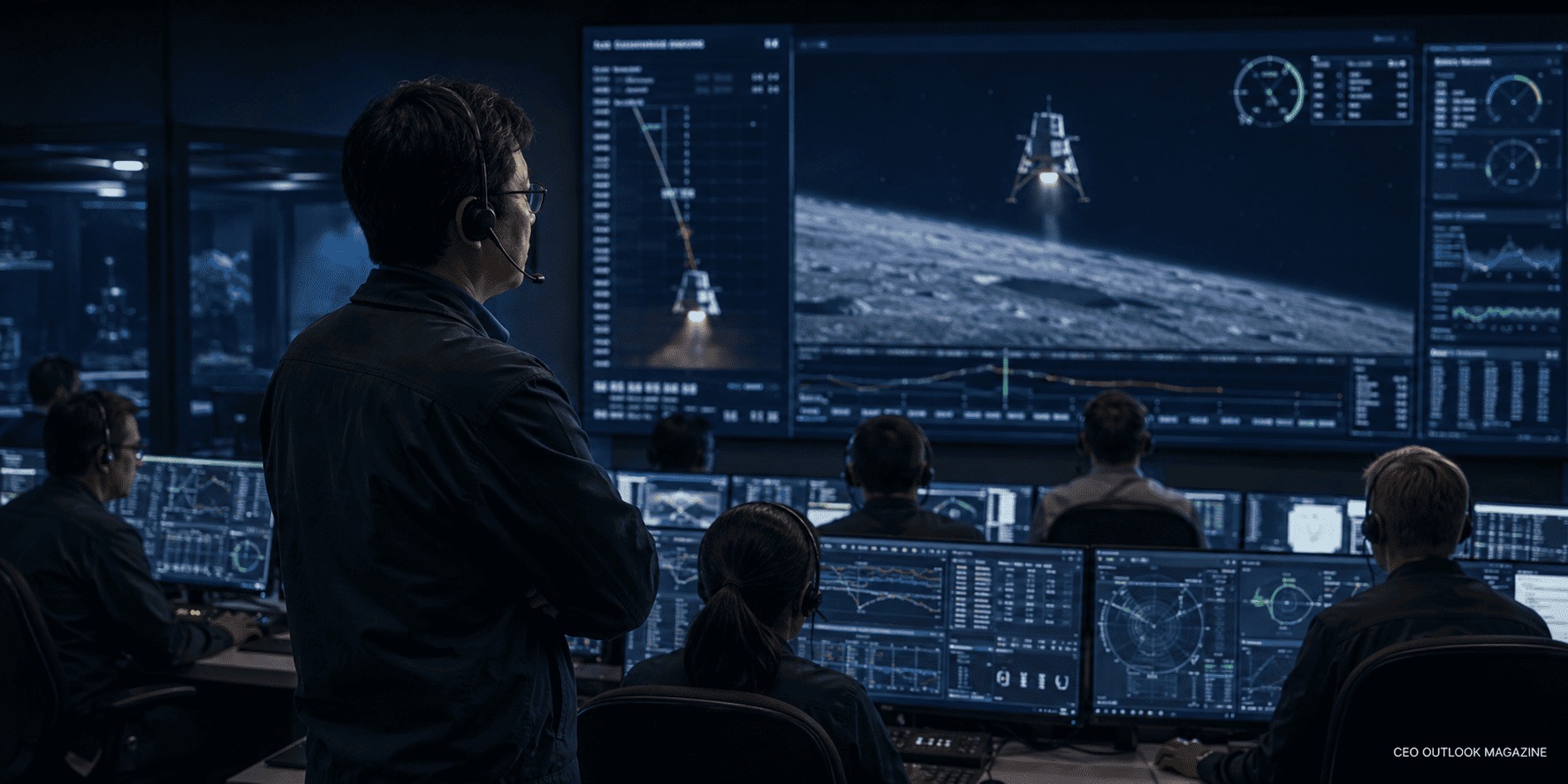
Piggott grew up on a dairy farm in New Zealand’s Waikato region. After university, he joined Rocket Lab as an engineer, then returned to agriculture. In 2016, he founded Halter. Peter Beck, his former manager at Rocket Lab, invested early and joined the board, recognizing the relevance of Piggott’s engineering experience to the business.
Replacing Fences With Data
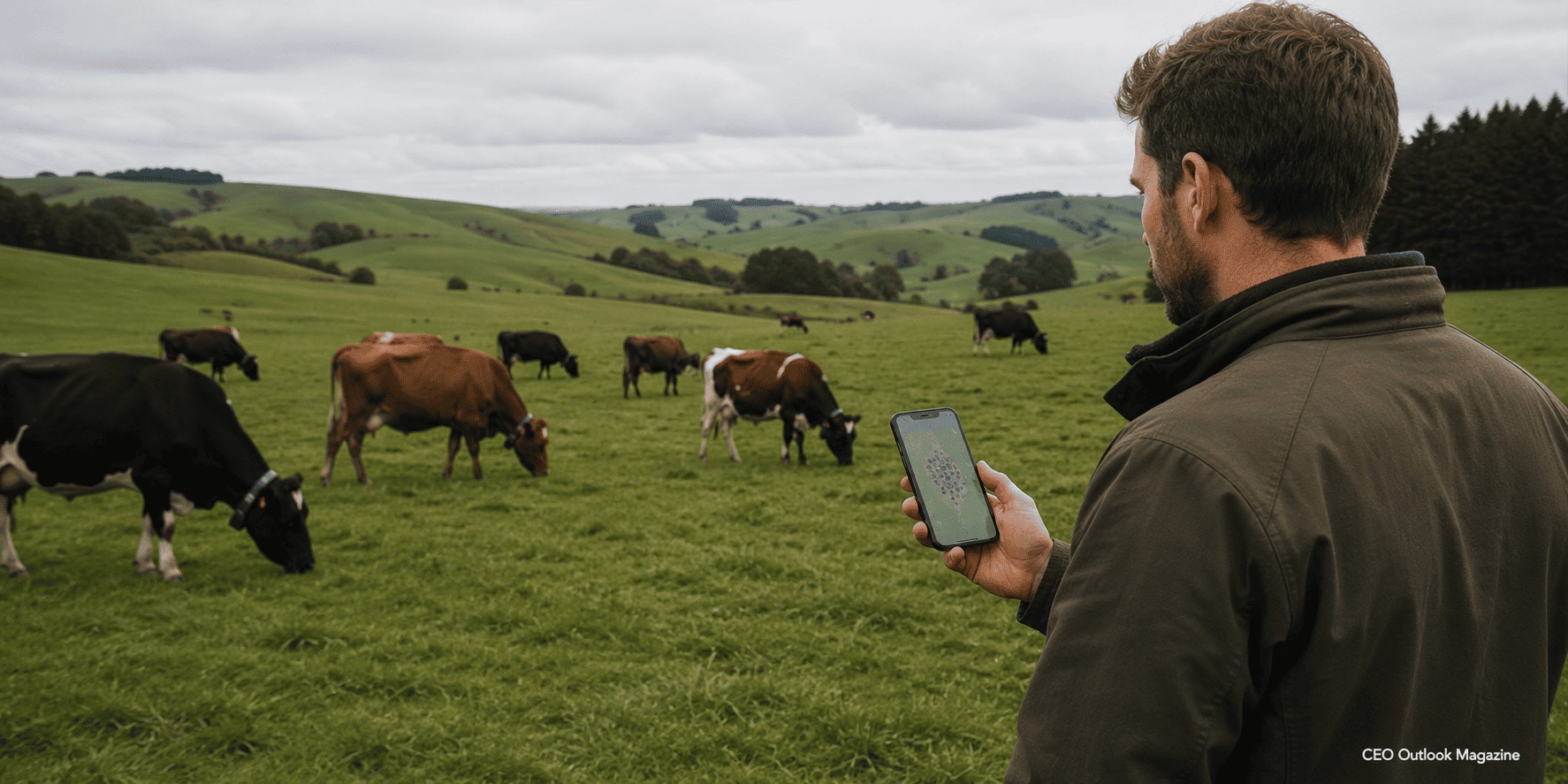
Halter’s product replaces the physical fence with a data-driven virtual system. Each animal wears a solar-powered, GPS-enabled collar that communicates with on-farm towers and a mobile app. Sound and vibration cues guide and contain cattle within virtual boundaries. The system uses an AI engine designed to understand and predict animal behavior. The operational impact is clear: farmers can set up new grazing boundaries or move herds in seconds from a smartphone, without manual labor. The aim is not to expand land under management, but to increase productivity on existing acreage. Rotational grazing becomes practical without shifting fences, allowing more grass growth and higher stocking rates on the same land. The value comes from better information and control, not from acquiring more land.
Scale and Adoption to Date
The capital and adoption behind this thesis are genuinely substantial, not speculative. Halter closed a $220 million Series E round in March 2026, led by Founders Fund with participation from Blackbird, DCVC, Bond, Bessemer, and several other investors, valuing the company at roughly $2 billion, one of the largest funding rounds in agricultural technology to date. The company has sold approximately one million solar-powered collars, now deployed across more than 2,000 farms in New Zealand, Australia, and the United States. Since launching in the US market in August 2024, American ranchers using the system have built more than 60,000 miles of virtual fencing, a genuinely rapid adoption curve for a market Halter had no presence in just two years earlier. The business model backing this scale is genuinely recurring rather than a one-time hardware sale: a New Zealand regulatory filing showed the company's subscription income in that market alone grew 45 percent to NZ$35.9 million in the year ended March, real, filed evidence that farmers are paying for Halter's data and software on an ongoing basis, not simply purchasing a piece of equipment once.
Competition and Barriers to Adoption
Halter faces both established and emerging competitors. Merck offers a virtual fencing system, and startups like Grazemate are testing drone-based herding that does not require collars. Piggott sees alternative approaches as possible, but argues that collars remain the practical solution for now. He points to farmer inertia, not rival technology, as the main barrier to adoption. This is consistent with broader evidence that organizational and behavioral factors often slow AgTech uptake more than technical limitations.
Implications for Agriculture and Technology Leaders
For agrFor agricultural and technology leaders assessing where value is actually being created in AgTech, Halter’s trajectory is instructive. The company’s approach—using data and remote control to increase productivity on existing acreage rather than expanding land—has attracted disciplined capital and reached scale across three continents. The constraint on global food production is often not the amount of land, but how effectively existing land is managed. Is your organisation evaluating AgTech investment based on land-expansion potential, or the kind of data-driven productivity gains Halter has demonstrated on existing acreage? CEO Outlook Magazine wants to hear your perspective — share your view with our editorial team, and subscribe to our newsletter for more coverage on the founders reshaping agricultural technology.