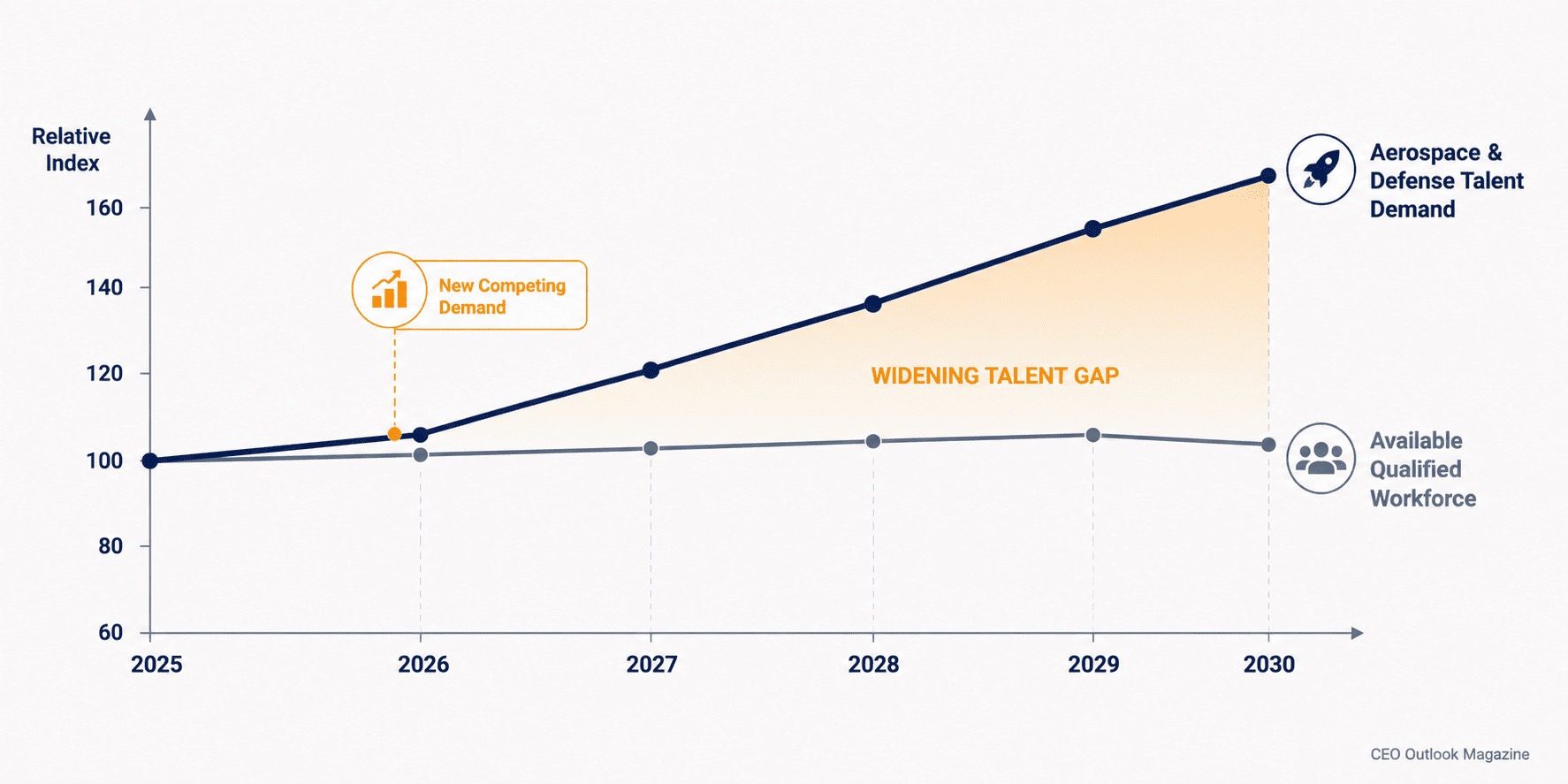


In 2025, the Reshoring Initiative counted about 240,000 job announcements linked to reshoring and foreign direct investment in the US. Yet manufacturing employment declined every month that year, only reversing slightly in January 2026. The capital for domestic manufacturing is arriving. The workforce is not. The technology that might close the gap is not ready for broad deployment.
Capital Is Flowing. Labor Is Scarce.
Reshoring is not just talk. Companies are building real capacity in sectors like semiconductors, pharmaceuticals, and appliances. But when manufacturers were asked what they need most from government, skilled labor ranked well above taxes or regulation. The main constraint is not capital or policy. It is the inability to staff new facilities. As one 2025 analysis put it, factories are returning, but the workers to run them are not. This is not a future risk. It is the current reality: new capacity is underutilized because it cannot be staffed.
This Is Already Happening, Not Approaching
The scale involved leaves little room to treat this as a distant planning problem. Nearly 500,000 manufacturing jobs sit unfilled in the US right now, and the sector may need as many as 3.8 million new workers by 2033, with roughly half of those positions at genuine risk of going permanently unfilled under current training and hiring pipelines. This dynamic is not confined to the US—ageing workforces across Japan, Korea, Germany, and China. Nearly 500,000 manufacturing jobs are unfilled in the US today. By 2033, the sector may need up to 3.8 million new workers, with half of those roles at risk of remaining vacant if current training and hiring practices do not change. This is not just a US issue. Japan, Korea, Germany, and China all face similar labor shortages as their workforces age. The competition for skilled manufacturing talent is now global. Reshoring does not solve the underlying labor constraint. Automation has been promised for decades, because humanoids can, in principle, slot into existing human-shaped workstations without the costly retooling fixed automation requires. Commercial evidence is starting to accumulate rather than remain purely theoretical: Figure AI's humanoid robots ran ten-hour shifts on BMW's active assembly line in Spartanburg, South Carolina, for eleven months, processing more than 90,000 sheet-metal cycles before the program expanded to a German facility. Agility Robotics' Digit robot has moved over 100,000 totes across multiple Fortune 500 logistics operations. Crucially, industry research finds that 74 percent of executives cite labor shortages, not cost reduction, as the primary driver behind humanoid robot adoption in manufacturing, a structural pull rather than a technology push looking for a use case.
Why the Caution From Automation's Hidden Costs Applies Here Too
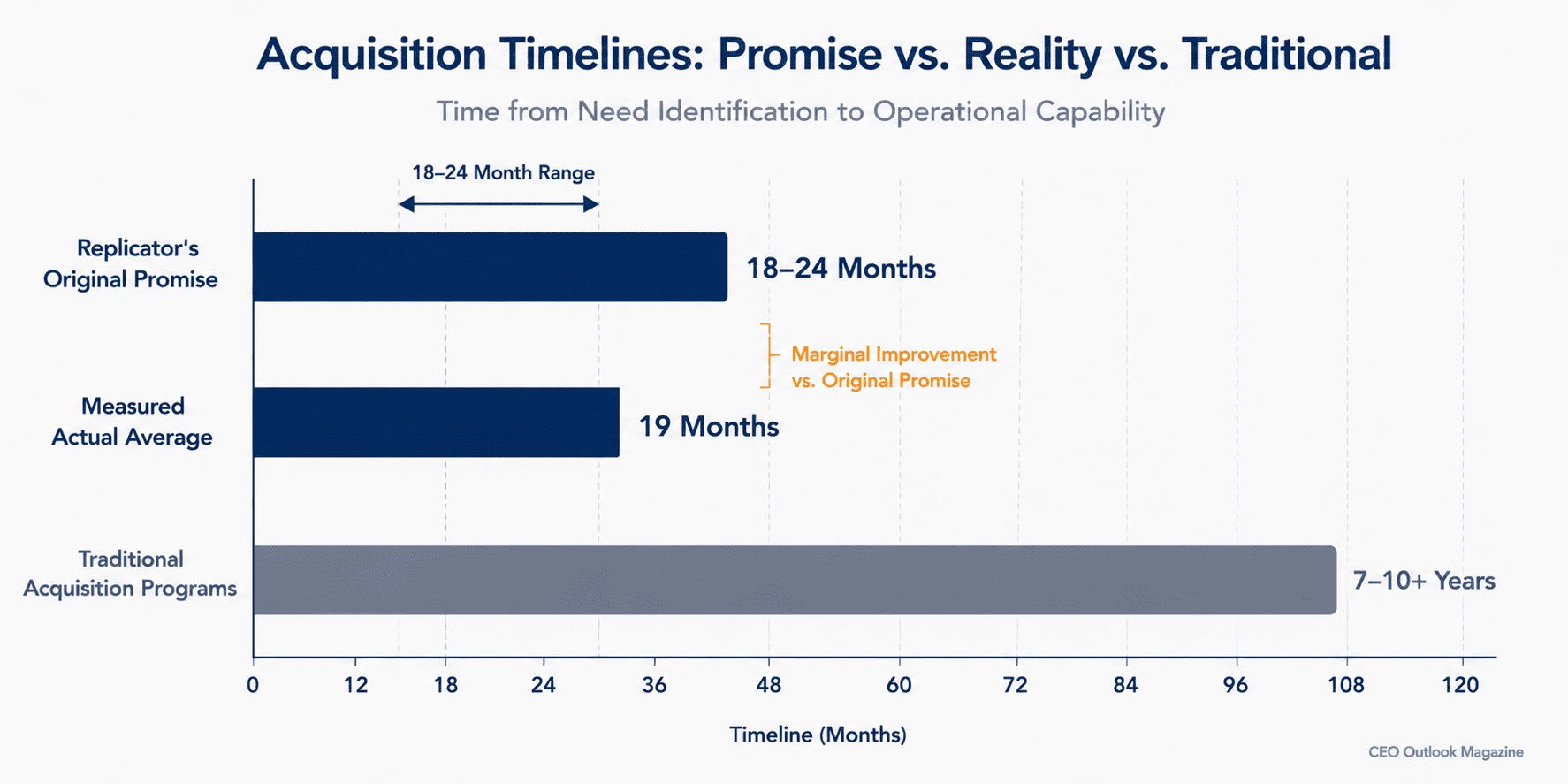
None of this should be read as an imminent, wholesale replacement of the workforce shortage with robots. Roughly 22 percent of manufacturers currently plan to deploy some form of physical AI by 2027, and the honest commercial picture remains early and selective: one leading humanoid manufacturer's own data shows only 9 percent of its revenue currently comes from industrial deployments. Physical AI will not solve the labor shortage overnight. Only about 22 percent of manufacturers plan to deploy these systems by 2027, and just 9 percent of revenue at a leading humanoid vendor comes from industrial use. The near-term impact is targeted: augmenting specific roles that are hardest to fill, not replacing broad swaths of labor. The risks are familiar but amplified. Humanoid robots are a new, unproven capital investment with immature integration and maintenance support. Vendor claims should be tested against real production, not demonstration environments. Implications for Leadership Planning: already-interested candidates, building the retention infrastructure that keeps skilled workers once hired, or selectively deploying physical AI in the specific roles where chronic understaffing makes the technology's still-real limitations worth accepting. Manufacturers that treat these as one integrated planning problem, rather than a capital project handed to operations with a staffing plan assumed to follow, will be the ones actually running the capacity they build. The rest will spend the next five years discovering, the hard way, that funding a factory and staffing one were never the same problem.
If workforce availability is not the first constraint in your reshoring or capacity expansion plans, it should be. Too many organizations treat staffing as a problem to solve after capital is committed. That approach rarely ends well.