

A single Nvidia GB200 server rack requires nearly two miles of copper cabling. Scale that across the current wave of data center construction, and copper becomes the primary physical constraint on the pace of AI infrastructure expansion. The International Copper Study Group has shifted its 2026 outlook from surplus to deficit. New copper mines require 7 to 15 years to reach production, while demand is rising on a much shorter timeline. That gap, measured in years versus months, is the most direct indicator of where construction and mining are headed in the next five years.
The Metal Connecting Every Story in This Series
Copper is central to the AI infrastructure buildout. Academic modeling shows copper makes up 83 percent of the total mineral mass required for data centers, with grid transmission and distribution alone accounting for 64 percent of that demand—more than the servers and chips. The capital flowing into AI infrastructure expects copper to be available on a data center timeline, measured in months or a few years. The mining industry, constrained by permitting, social license, and decarbonization requirements, operates on a timeline closer to a decade. This disconnect is now the defining constraint for both sectors.
The Numbers Behind the Squeeze
Hard forecasts now support the copper supply imbalance. Wood Mackenzie projects a refined copper deficit of about 304,000 tonnes in 2025, and expects the gap to widen. The International Energy Agency estimates that existing and planned mines will cover only 70 percent of global copper demand by 2035. Several analyses point to a cumulative supply gap of 6 to 10 million tonnes by the mid-2030s to 2040. The drivers are clear: AI data centre construction, grid electrification, renewable energy, and electric vehicles are all competing for the same limited copper supply.
Why Supply Can't Just Catch Up
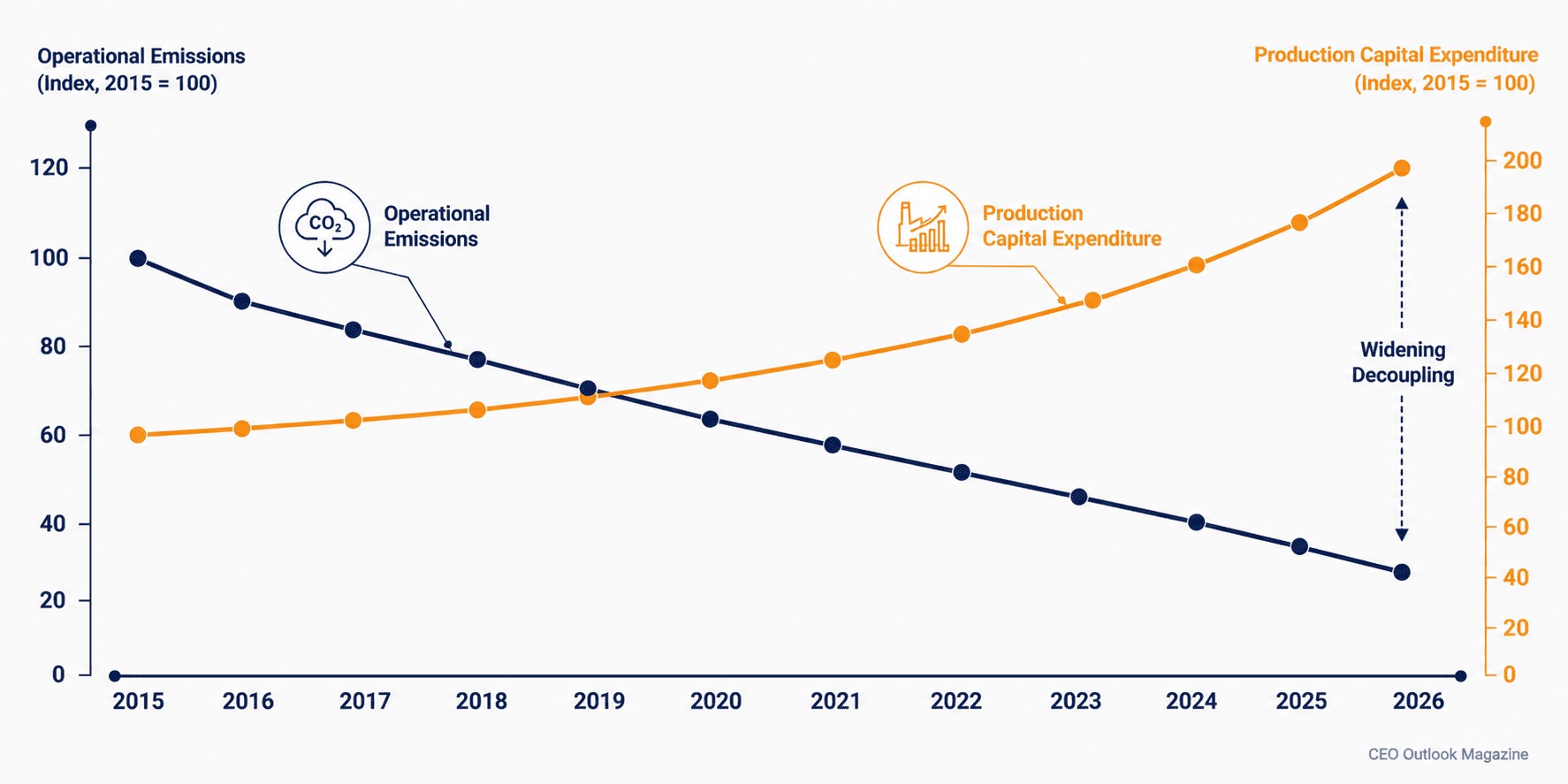
This is where the earlier findings across this publication's coverage compound directly. New copper mine development routinely takes 7 to 15 years from discovery to production, a timeline dictated by permitting and social license challenges that do not accelerate just because demand has increased. Existing mines face lower ore grades and higher extraction costs, so each additional ton is harder and more expensive to produce. At the same time, mining companies are expected to invest in decarbonizing their operations, adding another layer of capital demand. The industry is being asked to expand output on a schedule that its physical and regulatory constraints do not support. This is straining the very buildout driving the demand in the first place. Hyperscale technology companies are already reported to be outbidding utility grid suppliers directly for transformer units, a genuinely unusual dynamic in industrial supply chains that signals just how acute the competition for copper-dependent equipment has become. Industry analysts warn that if lead times for transformers and high-voltage cabling stretch from roughly two years to four, a real possibility given current supply constraints, that alone could meaningfully delay the more than US$600 billion in data center capital spending already committed for construction this year. The copper shortage is not a side effect of the AI infrastructure boom. It is increasingly positioned to become one of its primary rate-limiting factors.
What This Means for Leadership Over the Next Five Years
For mining leadership, the practical implication is that companies capable of executing efficiently on permitting, social license management, and decarbonized operations simultaneously, rather than treating each as a separate department's problem, stand to capture disproportionate value from a genuinely structural, multi-year price environment rather than a temporary cyclical spike. For mining leaders, the priority is clear: companies that can manage permitting, social license, and decarbonization as integrated priorities—not isolated departmental issues—will be better positioned to capture value in a sustained high-price environment. Recycling and urban mining, once seen mainly as sustainability initiatives, now become necessary sources of supply as primary mine output falls short. Innovation has been gated by a materials supply chain that cannot simply be accelerated through better factory logistics. The next five years in construction and mining will not be defined primarily by any single technology, material innovation, or corporate strategy this series has examined individually. They will be defined by whether the industry can resolve a physical bottleneck that sits underneath nearly all of them at once.
Many organizations still treat critical mineral supply, especially copper, as a procurement detail rather than a core strategic input. Over the next five years, that distinction will separate those who can deliver on growth commitments from those who cannot.