

In October 2024, Saudi Arabia's NEOM project marked the opening of Sindalah, a man-made island, with a high-profile event attended by celebrities and 65 superyachts. The island opened three years late, at a cost of about US$4 billion—triple the original budget. By mid-2025, public bookings were still unavailable. NEOM celebrated a milestone for a city section that remained closed to the public. That detail points to a deeper leadership issue: significant capital and engineering resources committed well before any real evidence of demand for what was being built.
The Vision That Preceded the Demand
NEOM was launched in 2017 under Saudi Crown Prince Mohammed bin Salman, with an initial budget of around US$500 billion as part of Vision 2030. The Line, its signature project, was pitched as a 170-kilometer, car-free city designed for up to 9 million residents. The ambition and funding were real. What was missing was evidence that enough people actually wanted to live there. Early market research and interest surveys pointed to demand well below the plan’s assumptions, but this did not materially alter the project's initial scope or pace.
What Happened When Reality Arrived
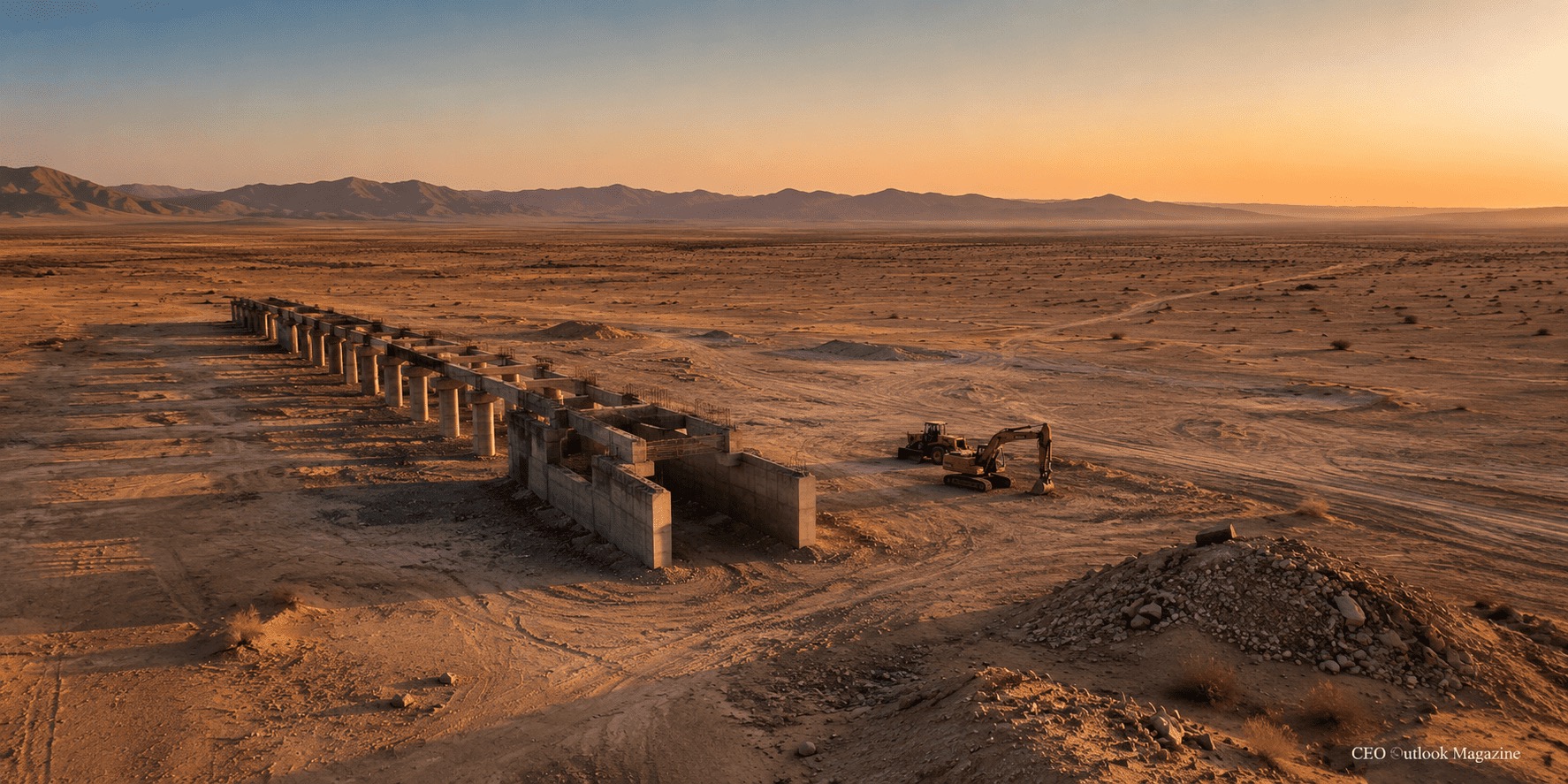
The gap between vision and demand eventually forced a reset. By April 2024, Saudi authorities had scaled back The Line’s targets: the 2030 population goal dropped from 1.5 million to about 300,000, and the planned structure shrank from 170 kilometres to an initial 2.4-kilometre segment. By September 2025, construction was suspended, with only the foundation completed. The Public Investment Fund took a US$8 billion write-down across its giga-projects, and NEOM cut its construction workforce by roughly 35 per cent in 2025. The Asian Winter Games, once slated for NEOM’s Trojena resort in 2029, were postponed indefinitely. An internal audit reportedly put NEOM’s projected cost at US$8.8 trillion, with completion pushed to 2080—a timeline and scale far removed from the original pitch.
The Leadership Tell
The most telling signal from NEOM’s leadership was a change at the top. Nadhmi Al-Nasr, a former Aramco executive who led NEOM through its most ambitious and difficult years, was replaced in late 2024 by Aiman Al Mudaifer, a finance and real estate executive from the Public Investment Fund. Al Mudaifer was brought in to impose fiscal discipline on a project that had operated for years without it. This shift—from a builder focused on vision to a finance executive focused on cost—was a clear institutional admission that the original plan had exceeded what the market and budget could support.
This Isn't Unique to NEOM
NEOM’s trajectory is not unique. Other planned cities built around top-down vision—such as Songdo in South Korea and Masdar City in Abu Dhabi—also required major downward revisions to their original population and scope targets. Both found limited success only after leadership redefined the projects’ purpose and scale. The pattern is clear: planned mega-cities and mega-structures often attract fewer residents and cost more than projected. The projects that eventually stabilize do so only after leaders accept a smaller, more realistic version of the original ambition.
The Human and Fiscal Cost of Skipping Validation
The costs of building ahead of demand are not limited to financial losses. NEOM’s construction has involved difficult conditions for migrant workers, including heat-related injuries, and the forced displacement of the Huwaitat tribe from project land. These are material consequences that a validated, appropriately scaled plan would have been far less likely to produce.
The Leadership Lesson
For leaders evaluating large-scale urban development, NEOM is not just a cautionary tale. It is a direct warning. Committing capital, land, and years of construction to a scale the market has not validated is not leadership. It is a bet made without the discipline that sound capital allocation requires. The leaders to emulate are those who build validation into the plan before construction begins, and who are willing to deliver something smaller and sooner, rather than something extraordinary that the market never asked for.
Is your organization validating demand before committing capital to ambitious urban development, or building first and hoping demand follows? The distinction is not academic. It is the difference between disciplined leadership and costly miscalculation.