

Africa’s agricultural sector, driven by millions of smallholder farmers, is facing a convergence of climate change, land degradation, water scarcity, and rapid population growth. These pressures are most acute in Africa and South Asia, where food demand is rising fastest. The core technologies and interventions to address these challenges are not hypothetical—they have been tested and work in practice. The unresolved issue is not technical capability, but a set of leadership decisions that determine whether proven solutions actually reach the farmers who need them.
The Dual Pressure Defining Growth-Market Food Leadership
The challenge for food and agriculture leaders in these markets is fundamentally different from what mature economies face. Growth markets must manage rising food demand from expanding populations while also dealing with the sharpest impacts of climate volatility. Food security and rural livelihoods are both at risk. This is not a theoretical policy issue. It is an immediate operating reality that is already forcing leaders in agribusiness, development finance, and government to rethink their approach.
The Solutions That Already Work
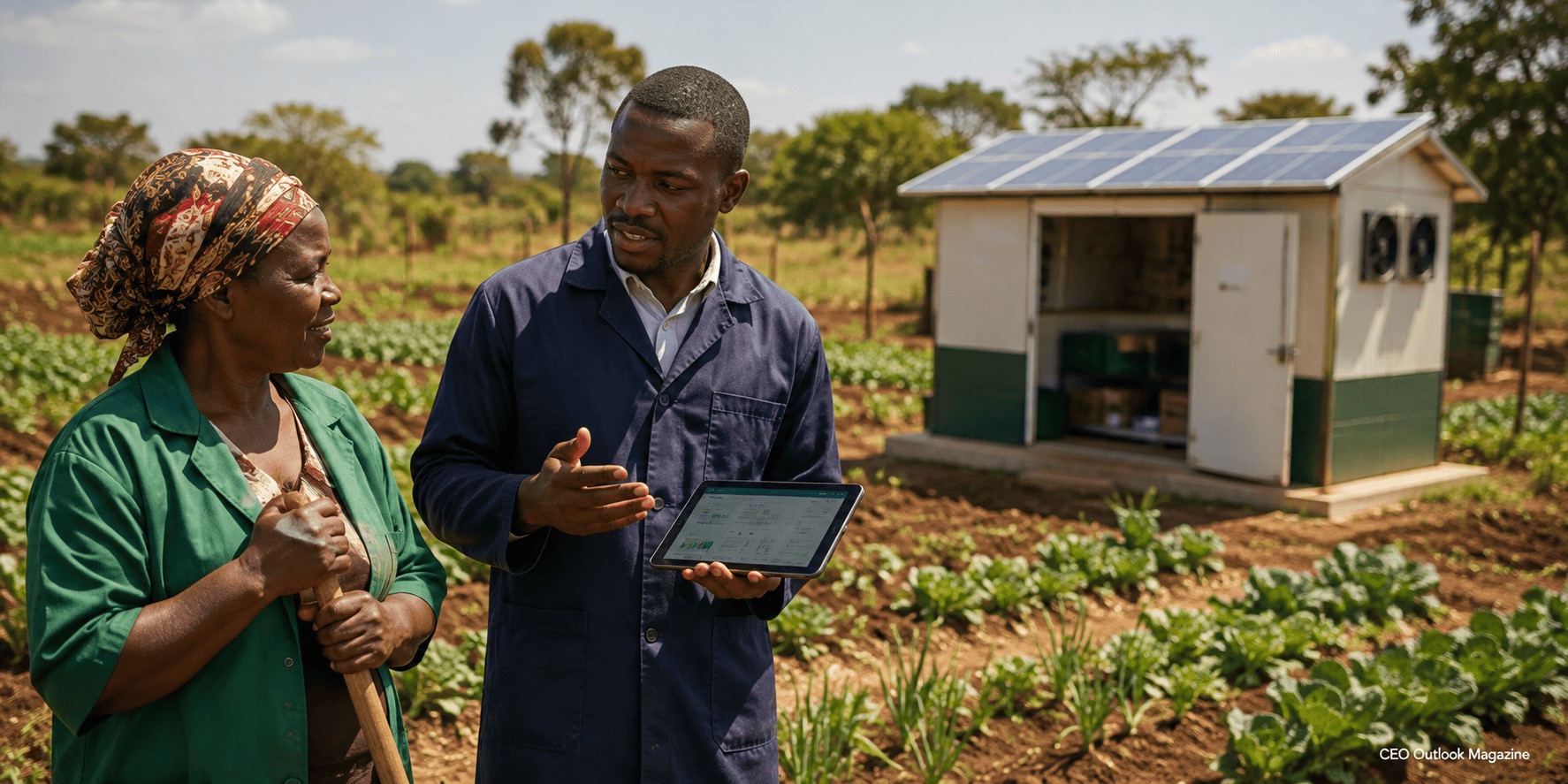
Unlike previous food security crises, the difference now is that practical, field-tested solutions are available. Solar-powered cold storage is already cutting food spoilage in rural areas by up to half, reducing post-harvest loss without requiring higher yields. Digital platforms are giving farmers real-time market prices, helping them secure better deals, cut waste, and stabilize incomes even as climate disruptions hit production. At the institutional level, programs like the World Bank’s Food Systems Resilience initiative are deploying climate-smart innovations—resilient crops, improved seeds, and farmer-led mechanization. The International Food Policy Research Institute is working with governments in Nigeria, Malawi, Kenya, Zambia, and Senegal to implement anticipatory action and risk financing, aiming to address climate shocks before they escalate.
The Barriers Leadership Actually Has to Solve
Proven solutions do not reach most smallholder farmers by default. The barriers are clear and specific. High costs for climate-resilient seeds, irrigation, and modern equipment put these tools out of reach for many. Weak rural infrastructure and limited extension services mean that even those who can afford new technology often lack the roads, storage, or technical support to use it effectively. Access to finance is another constraint—without credit, many farmers cannot invest, even if the economics make sense. The most fundamental barrier is insecure land tenure. When farmers are unsure they will keep their land, they have little incentive to invest in long-term improvements like agroforestry, soil restoration, or climate adaptation.
Why This Requires Different Leadership Than Mature-Market Agriculture
This set of barriers explains why proven agricultural technologies often fail to scale in growth markets. The gap is rarely technical. It is organizational, financial, and infrastructural. Leaders in these markets cannot rely on the technology-first approach that works in mature economies, where financing, land tenure, and infrastructure are already in place. Success requires tackling financing, land security, and infrastructure alongside technology—not after. Some agribusinesses are adjusting accordingly. ADM, for example, recently appointed a chief operating officer with deep science-based agriculture experience to oversee global operations, signaling that operational depth, not just capital or technology, is now essential for success in complex, resource-constrained markets.
What This Means for Food and Agriculture Leadership
For leaders in agribusiness, development finance, and government, the lesson is clear. Closing the gap between proven climate-resilient solutions and the farmers who need them means treating affordability, land tenure, infrastructure, and finance as core priorities—not afterthoughts. The tools to feed growing populations under climate pressure are available. Whether they reach the farmers who produce most of the world’s food in these markets is, at its core, a matter of leadership.
Most organizations say they are investing in food security for growth markets. Fewer are addressing land tenure, financing, and infrastructure barriers with the same urgency as technology. The distinction matters. Leaders who focus only on technology risk missing the real constraints. The question is not whether solutions exist, but whether leadership is prepared to solve the right problems.