


Fuel represents 30 to 40 percent of total fleet operating costs. In April 2026, US on-highway diesel reached $5.403 per gallon, with the Energy Information Administration projecting an annual average of $4.80. For fleet operators, fuel efficiency and emissions reduction are not competing priorities. They are two sides of the same operational challenge. The operators making real progress are not those issuing high-profile sustainability statements. They are the ones treating fuel efficiency as a core, measurable discipline.
The Overlooked Lever: Driver Behavior and Fuel Efficiency
Driver behavior is still the most direct and often overlooked lever for reducing both fuel costs and emissions. Department of Energy data shows that aggressive driving, speeding, rapid acceleration and hard braking can cut fuel economy by 15 to 30 percent at highway speeds and 10 to 40 percent in stop-and-go traffic. A single driver with poor habits can use up to 20 percent more fuel than a peer running the same route. The fix is practical and inexpensive. In-vehicle feedback alone can improve fuel economy by an average of 6.6 percent. Telematics interventions focused on speeding and rapid starts can deliver up to 14 percent improvement for heavy-duty trucks. Smarter fuel procurement is another lever. The National Association of Small Trucking Companies found its Quality Plus Network members saved $0.50 per gallon over two years without major capital spending. For fleets under 100 trucks, a combined speed and behavior program can realistically deliver 3 to 8 percent fuel savings using basic tools: telematics or ELD speed and idle reports, weekly driver scorecards and a governed speed policy.
A Disciplined Approach to Fleet Electrification
For fleets looking beyond driver behavior to electrification, Pitt Ohio provides a practical example grounded in operating reality. The carrier, with about 650 Class 8 trucks and a medium-duty fleet, has deployed a mix of electric trucks including the Mack MD Electric and Freightliner eCascadia. Instead of a high-risk, all-at-once conversion, Pitt Ohio has taken a measured, phased approach to infrastructure. At its Harrisburg terminal, the company added dedicated charging for trucks, forklifts and other equipment, supported by a full electrical upgrade and backup power. Alongside electrification pilots, Pitt Ohio has expanded renewable natural gas operations and continued investing in driver coaching, telematics, and equipment specifications. Fuel efficiency is treated as a core operating KPI, not a periodic sustainability project.
Peer-reviewed research on a large Danish third-party logistics provider's line-haul network provides a data-driven look at electrification and margin. The study found that reaching 88 percent fleet electrification by 2040 would require about 50 percent more capital investment than a diesel-only scenario. Over the full operational life cycle, though, this investment led to a 9 percent reduction in total cost of ownership and a 56 percent drop in life-cycle carbon emissions. The higher upfront cost of electric trucks is real, but not necessarily permanent. If electrification is phased with infrastructure and vehicle replacement cycles, the initial premium can turn into net savings over the asset's life. Full life-cycle analysis is necessary for a credible business case. Optimistic projections are not enough.
The Next Lever Coming Down the Pipeline
Truck platooning, which coordinates vehicles to travel in close, electronically synchronized formation, has moved from pilot to early commercial use. The global market is expected to more than double by 2035, with potential fuel savings of up to 15 percent from reduced aerodynamic drag. Major suppliers are investing, as shown by more than 8,000 patents for vehicle-to-vehicle communication in the past five years. The European Union is funding platooning pilots as part of its Green Deal logistics strategy, targeting a 30 percent reduction in freight emissions by 2030. For fleet operators, this is a lever to watch, but operational and regulatory challenges remain significant.
Implications for Fleet and Logistics Leadership
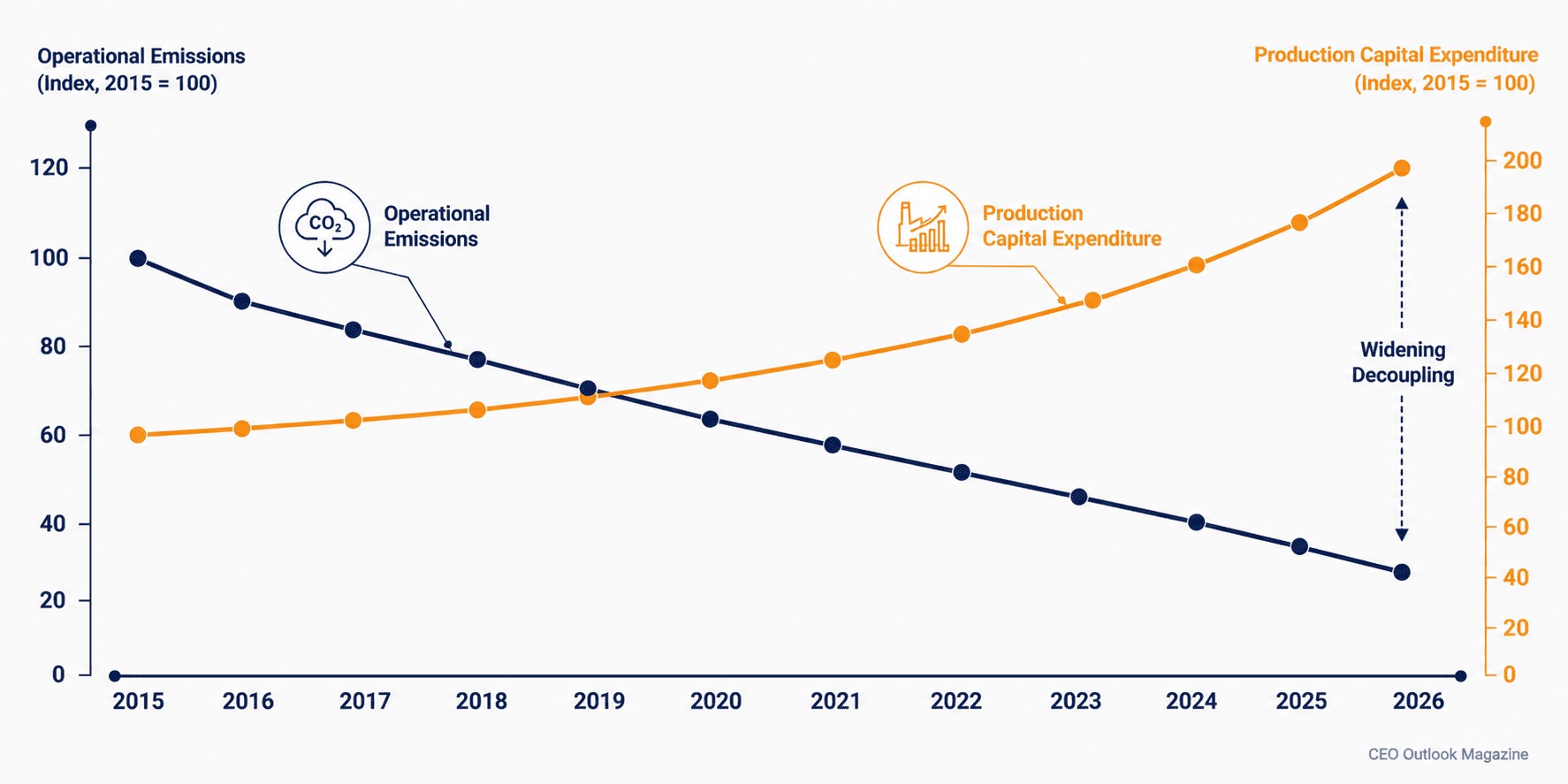
For fleet and logistics leaders, the evidence is clear: emissions reduction and margin protection are not competing goals. They are different aspects of the same operating discipline. The most immediate, lowest-cost tactics—driver coaching, telematics-based behaviour correction, smarter fuel procurement—deliver measurable savings quickly and require no asset replacements. Electrification, if managed with the operational rigor and phased investment as seen with Pitt Ohio and the Danish case, can deliver cost savings and emissions reduction over the full asset life cycle. The priority is to treat sustainability as part of core operating decisions, not as a separate initiative.
Many organizations still assess fuel efficiency investments based only on upfront capital expense, not on full life-cycle total cost of ownership. That distinction often determines whether sustainability initiatives protect margin or erode it. The question for leadership is whether your organization applies the same rigor to these decisions as it does to other core operating investments.