

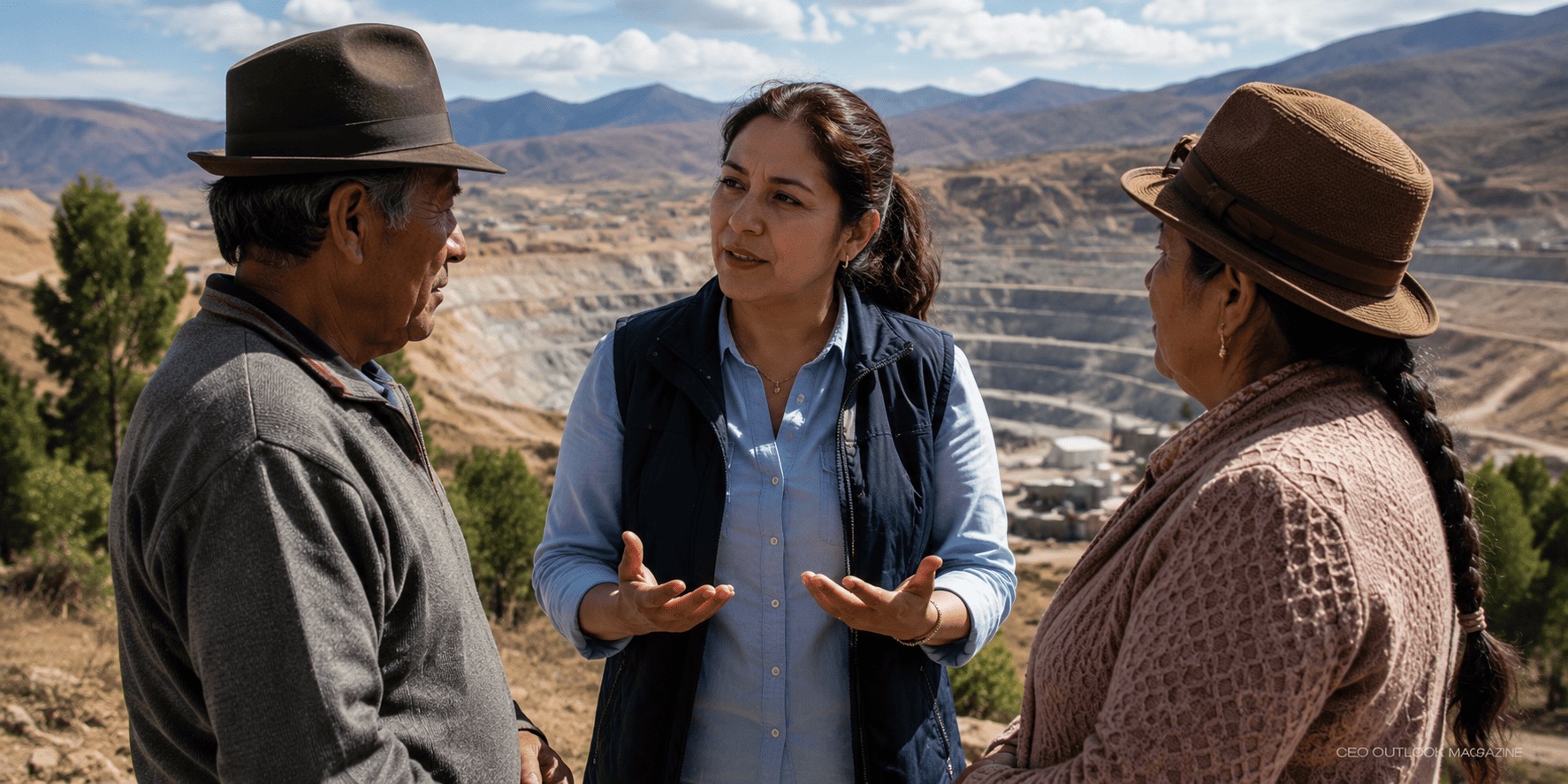
Sixty-two percent of mining project delays attributed to permitting are not about geology, engineering, or financing. They are about stakeholder opposition and environmental concerns. Legal permits do not guarantee progress. Projects can stall indefinitely even when every regulatory box is checked, because the real constraint is community consent. That is the license no regulator can issue, and the one that is proving hardest to secure and maintain.
The Permit That Isn't the Real Obstacle
The gap between legal permits and social license has widened. A permit is a regulatory formality. A social license is the ongoing acceptance of the people whose land and water are at stake. Legal title does not protect a project from disruption. Community opposition can halt operations through courts, labor actions, blockades, or protest, regardless of compliance on paper.
Geology Isn't the Constraint Anymore
In Europe, securing full permitting for a mining project now takes five to ten years or more, slowed by environmental assessments, public consultations, judicial review, and overlapping regulations. In practice, social license is now more decisive than the quality of the mineral resource.
Portugal's lithium sector illustrates this. Portugal’s lithium projects have strong EU policy backing, but local resistance over water, land, and environmental impact has led to protests, court actions, and repeated redesigns. Strategic importance does not override local concerns. In Peru, permitting delays stretch to 18 months, driven by weak community consultation and ongoing social conflict. The main obstacles to mining investment there are not geological, but about permitting, community engagement, and political risk. ted
Social license is not permanent. Community support can be withdrawn if companies fail to deliver on commitments. In East Luwu, Indonesia, local communities have rejected permit extensions for operators they judged had not met their obligations. A social license at project launch does not guarantee support over the project’s life.
The Uncomfortable Timing
This tension is growing as demand for critical minerals surges. Lithium, cobalt, and rare earths are often found in regions where social license is hardest to secure. Rio Tinto’s lithium project in Serbia faces ongoing opposition despite its strategic role in Europe’s supply chain. In Scandinavia, projects like Norra Kärr show that even technically advanced, fully permitted developments can be stalled by social and political resistance. The minerals most needed for the energy transition are often in places where extraction faces the greatest social barriers, a structural problem that technical work cannot solve.
What's Actually Working
Industry data shows a clear split: companies that treat community engagement as a compliance exercise face higher rates of disruption and delay. Those that invest early in understanding and addressing specific local concerns see fewer project blockages. Targeted local investment is more effective than generic CSR programs, especially when trust has already been damaged and requires repair.
For industry leadership, legal permits and social license must be weighted equally in risk models. Treating community engagement as a core operating discipline, not a reactive cost center, turns social risk into commercial advantage.
Most organizations still treat social license as an afterthought, not a core operating risk. The question is whether your company weighs it as seriously as legal and environmental permitting, or reacts only after opposition emerges.