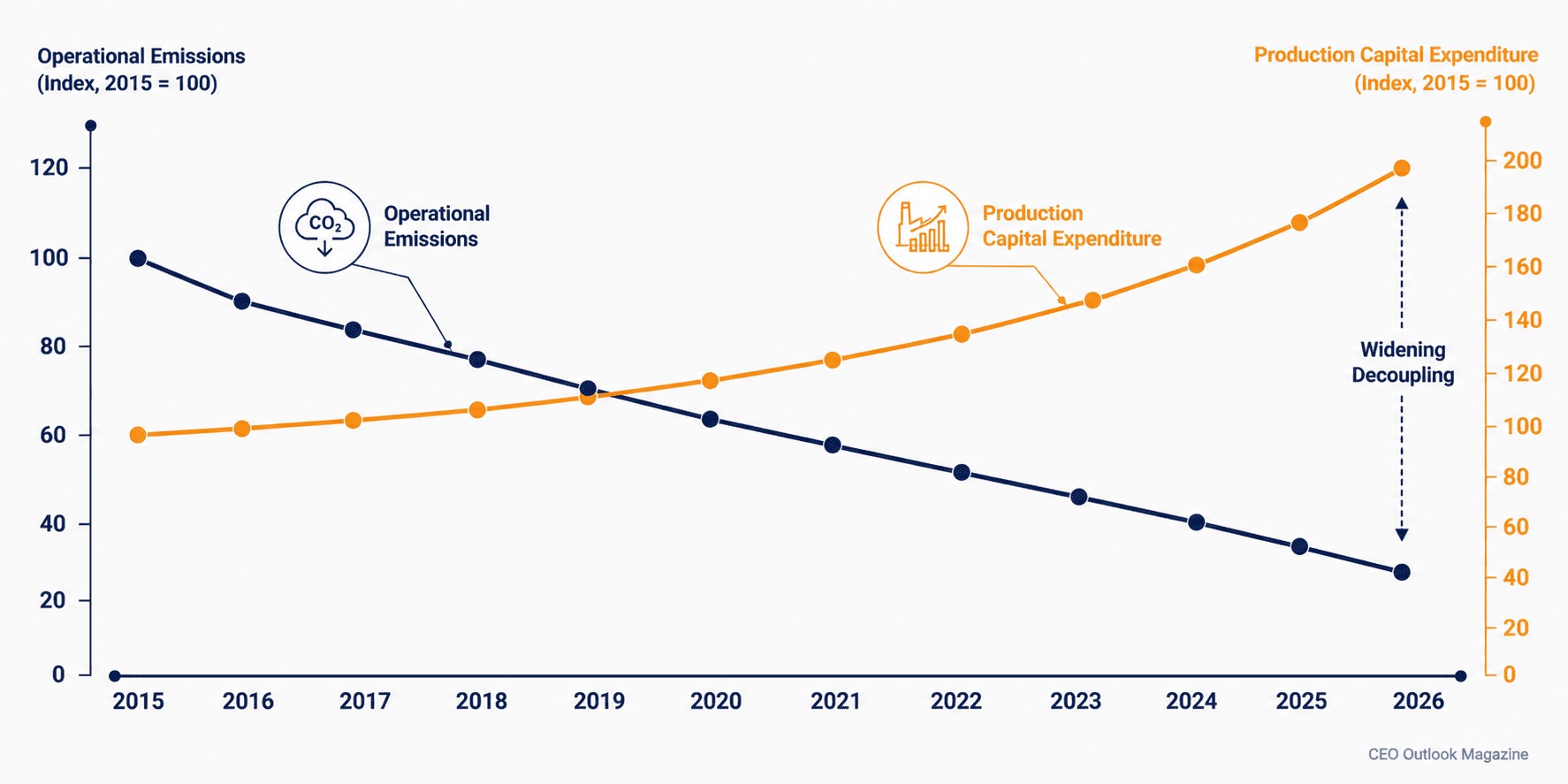


Energy companies, resource extractors, and utilities account for about three-quarters of global operational emissions. Yet, they remain the sector least likely to set comprehensive net-zero targets, and even less likely to be on track to meet them. In this context, ENN Energy, a major Chinese clean energy distributor, achieved one of its core decarbonization targets years ahead of schedule and published the supporting data. The Sector Least Likely to Be On Track
Skepticism toward net-zero pledges in the energy sector is justified. Recent assessments of utility climate commitments show that major US utilities, including those serving millions of customers, often receive failing marks for the substance behind their transition plans. Across heavy-emitting sectors, the pattern is consistent: companies making the most public climate announcements are rarely those with the most significant emissions, and those with the greatest potential impact are often furthest behind on credible, verifiable progress.
The Report That Reviews Itself Every Three Years
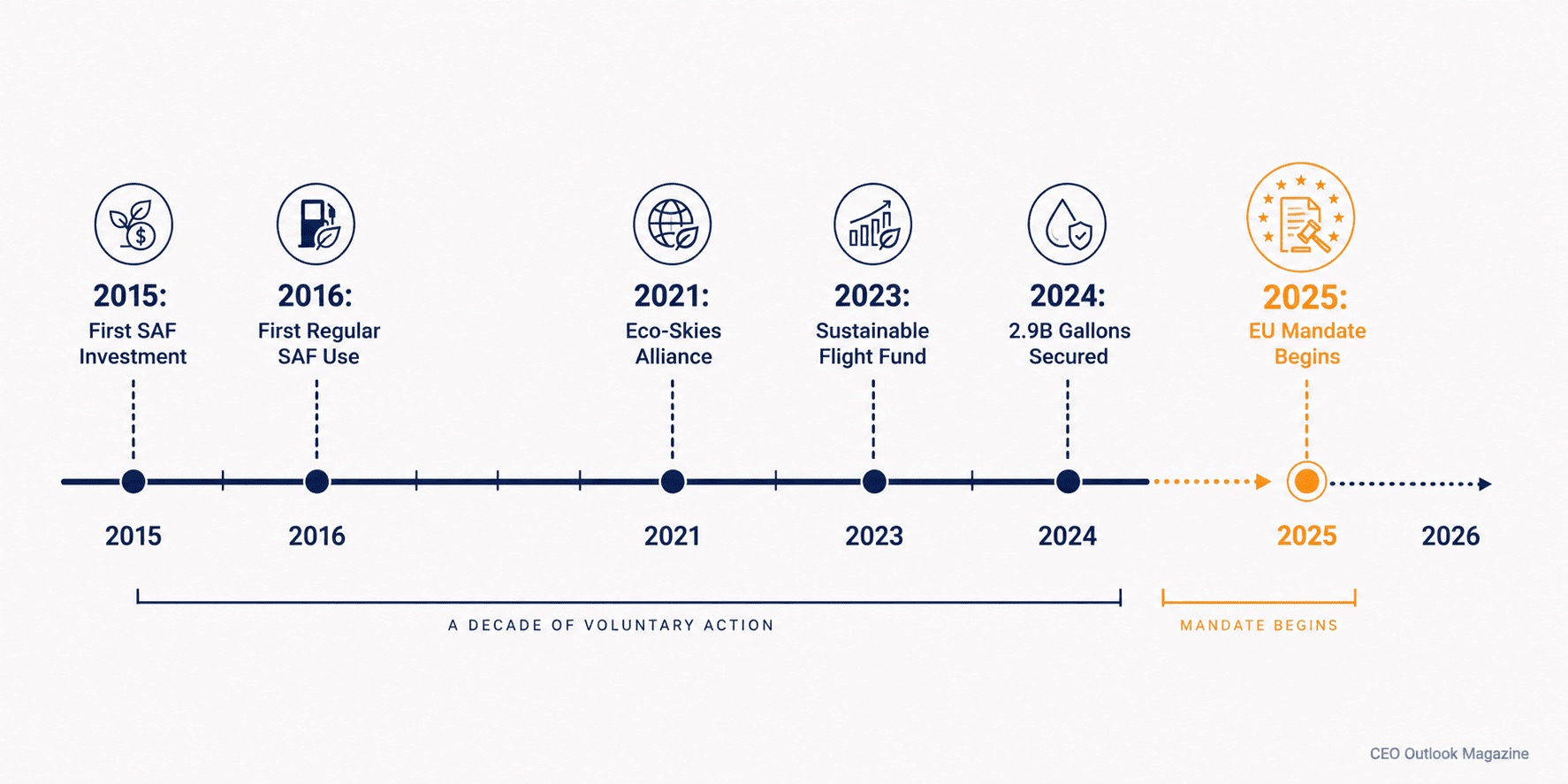
ENN Energy's approach is notable for its structure. In 2021, the company published its 'Decarbonisation Action 2030' roadmap, setting a net zero target for 2050 without depending on purchased offsets or green certificates. More importantly, ENN committed to reviewing and publishing an updated roadmap every three years. This creates a dated public record that allows external scrutiny of progress, rather than letting a distant 2050 target go untested.
The Number That Beat Its Own Target by Years
The first scheduled review, published in December 2024, showed that several targets set for 2030 had already been met by the end of 2023. In its core city-gas business, ENN Energy aimed to reduce greenhouse gas emission intensity by 20 percent from a 2019 baseline by 2030. By 2023, the company had achieved a 28.5 percent reduction, surpassing the target seven years early. This is a concrete, dated, and verifiable example of progress that remains rare among large energy companies.
How They Actually Did It
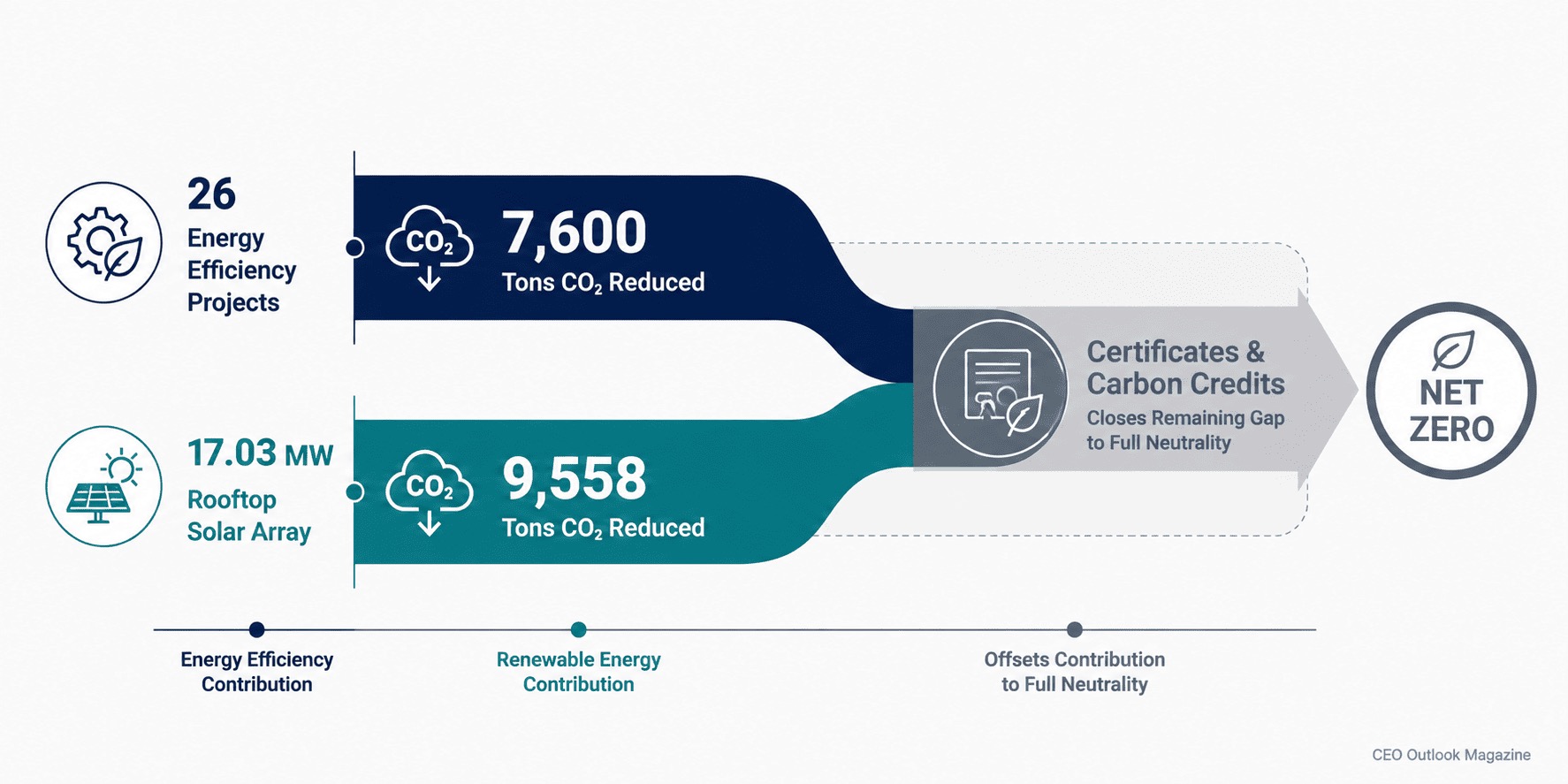
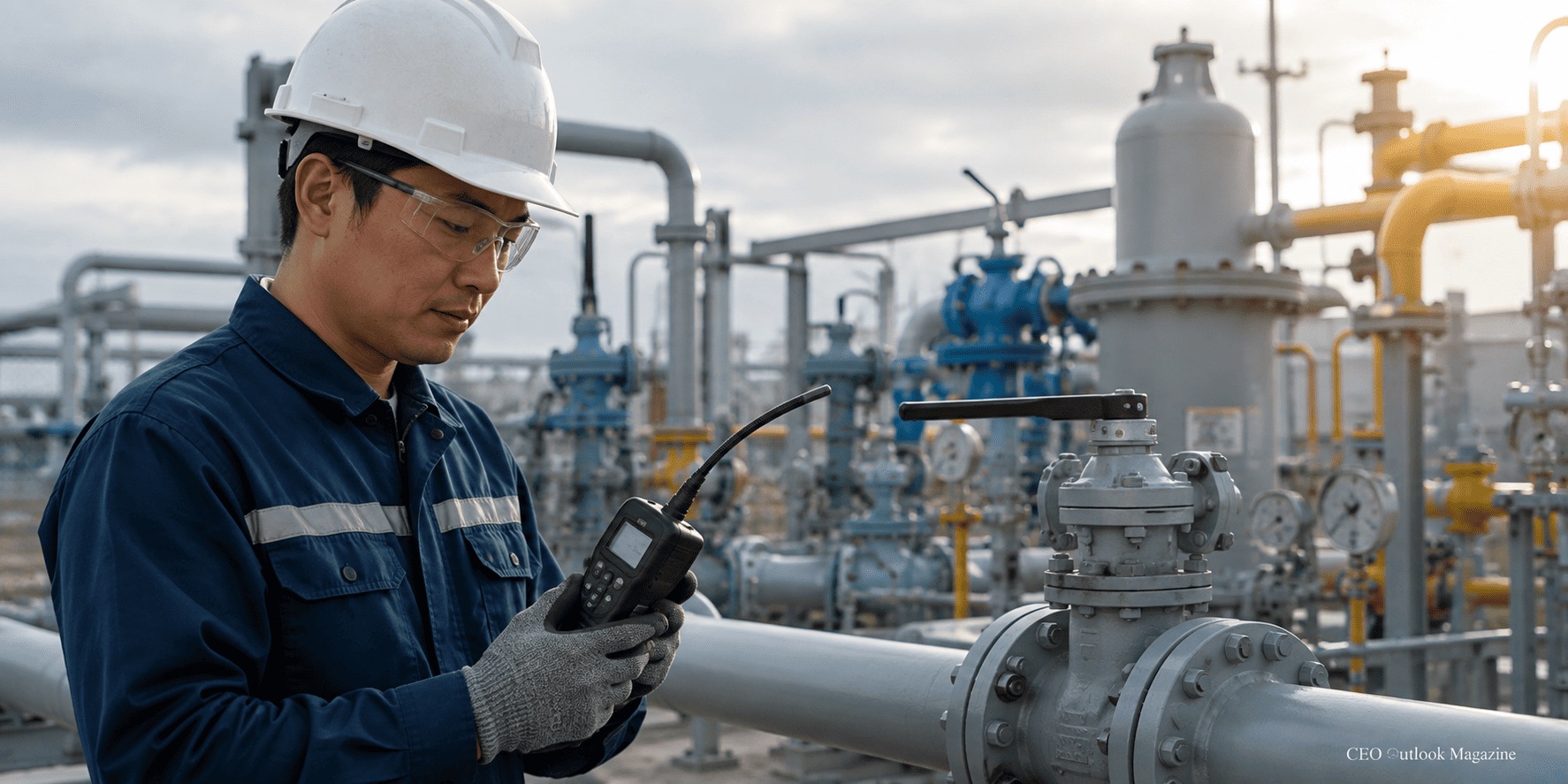
Sustained improvements in methane control management, along with broader energy conservation and emission-reduction measures in city-gas distribution, drove the result. Methane is a critical focus for natural gas distributors: sector-wide leakage accounts for nearly half of China's methane emissions, making it the largest source in the country and a central issue for national climate policy.
The Broader Context That Makes This Meaningful
ENN Energy's progress comes as policy is tightening around methane emissions. China's 15th Five-Year Plan, released in 2026, addresses methane through coal mine controls, oil and gas provisions, and expanded carbon market mechanisms. The national emissions trading scheme broadened in 2025 to include cement, steel, and aluminium, with plans to cover major emissions-intensive industries by 2035. Companies already ahead of their methane targets are better positioned as regulatory requirements become binding.
What Makes This a Genuine Net Zero Leader Story
What distinguishes ENN Energy's case from the vague, easily walked-back pledges this publication has previously scrutinized is specificity paired with public accountability. Rather than a broad 2050 aspiration with no interim checkpoints, the company set measurable, dated sub-targets, reported verifiable progress on a fixed three-year cycle, and responded to early setbacks. Instead of a distant 2050 goal with no interim milestones, the company set measurable, dated sub-targets, reported verifiable progress on a fixed three-year cycle, and responded to early achievement by setting more ambitious goals. This approach contrasts with companies that have diluted sustainability priorities when targets became inconvenient. ENN Energy's discipline illustrates what a credible net-zero pathway requires: interim metrics, transparent reporting, and a willingness to raise standards as progress is made. Our newsletter offers more coverage on genuine net-zero leadership across the energy sector.