

The energy transition depends on a sharp increase in critical minerals production. Mining, which supplies these materials, accounts for 4 to 11 percent of global greenhouse gas emissions, depending on the methodology. The largest share comes from diesel burned on site—a challenge most industries do not face at this scale. This is the core tension in mining’s sustainability commitments: the numbers do not yet reconcile, even when intent and capital are present.
The Math Nobody Likes to Say Out Loud
Demand for minerals used in batteries, grid infrastructure, and renewables is rising fast. Meeting this demand requires more mining, not less. The industry faces a structural dilemma: to enable decarbonization elsewhere, mining must expand its own footprint while also reducing direct emissions. The International Council on Mining and Metals has pledged net-zero Scope 1 and 2 emissions by 2050 or earlier, covering over 650 sites in more than 50 countries. The technology exists. The real question is not technical feasibility, but whether the sector can deliver at the scale and pace these commitments require.
Why the Easy Lever Doesn't Work Here
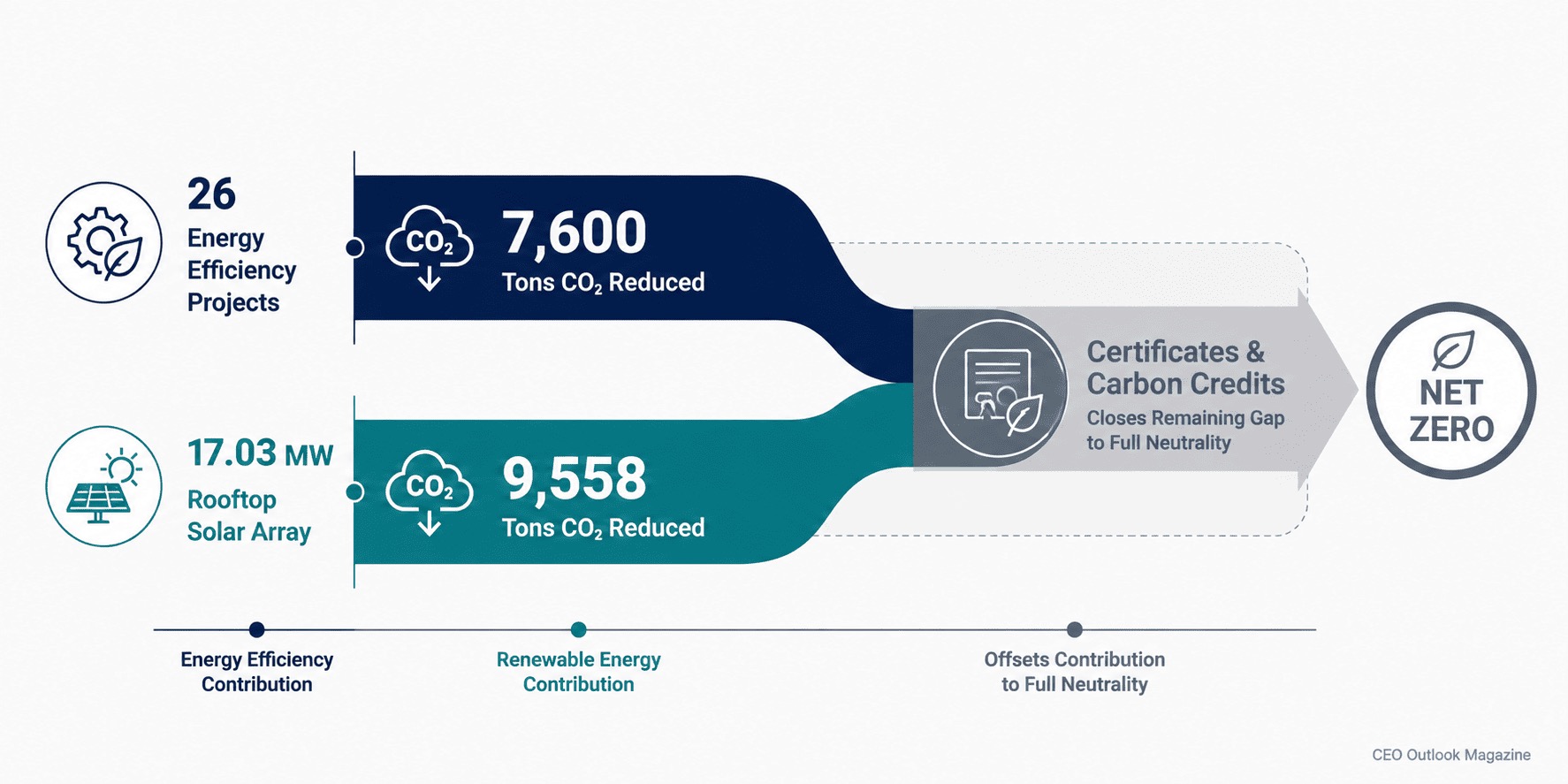
Most sectors can cut emissions by buying renewable electricity. Mining cannot. Scope 1, on-site emissions make up about 93 percent of the sector’s total, with only 7 percent from purchased electricity. This 13-to-1 ratio means decarbonization capital must target on-site operations, not grid procurement. Diesel combustion at mine sites is the main issue. Haul trucks alone account for about half of direct mine-site emissions. They are the obvious target for reduction, but also among the hardest to address operationally.
The Technology Is Real, But It Isn't Simple
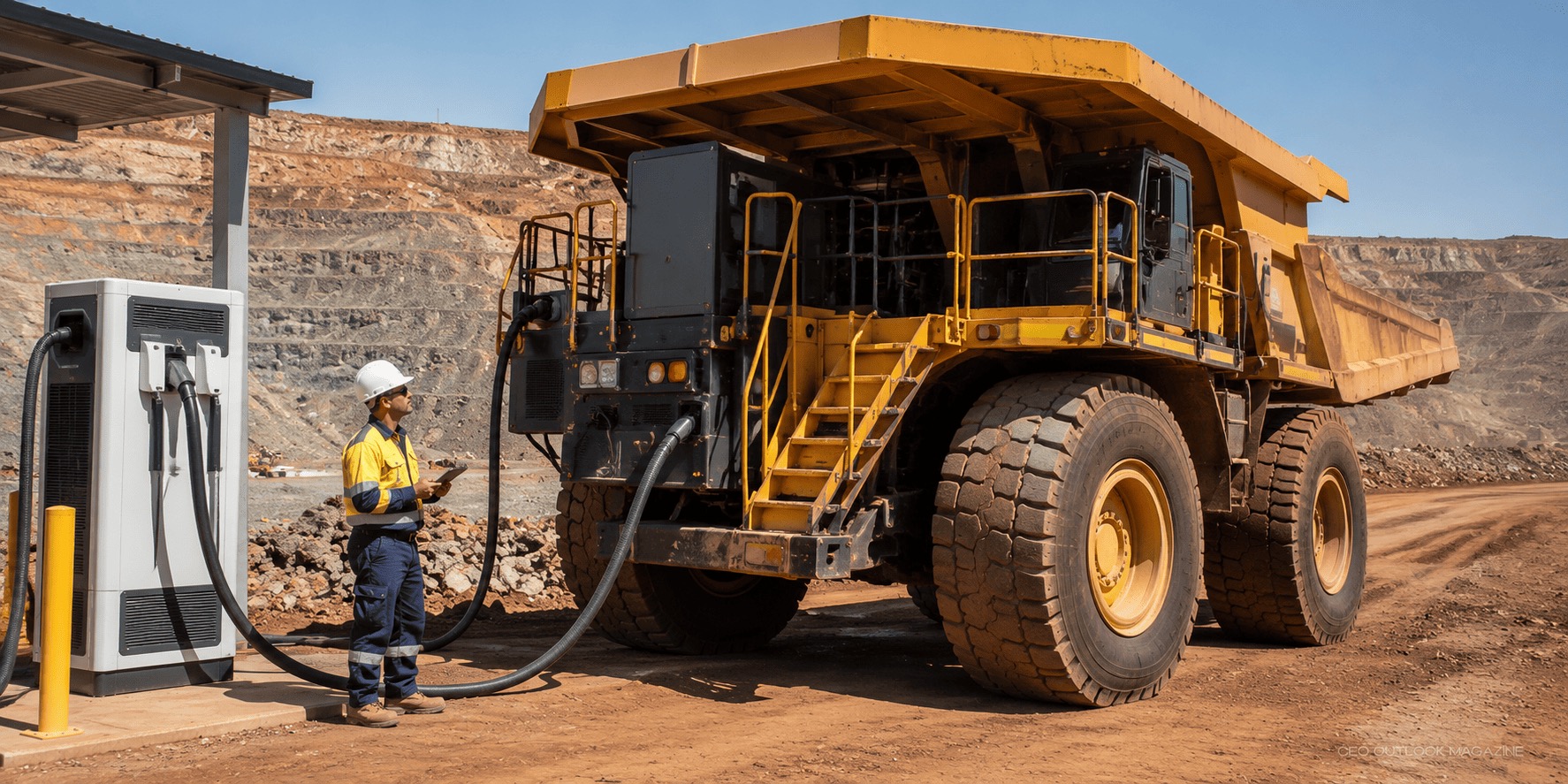
Electric haul trucks are now in real-world use, not just on the drawing board. They are expensive, imperfect, and not yet viable for every site, but they work and the technology is improving. The complications are practical. Battery packs in haul trucks face harsh conditions—extreme temperatures, vibration, and frequent high-intensity cycles—which limits their lifespan to 8 to 10 years or a set number of cycles. Infrastructure is another constraint. In Australia, battery-electric haul truck pilots are running into grid and charging bottlenecks, since remote mines often lack the power infrastructure electrification needs. Indonesia’s nickel sector, critical for battery supply, faces permitting delays averaging 18 months longer than global norms. Even mines supplying the energy transition are slowed by the same operational frictions.
The Companies Proving It's Possible
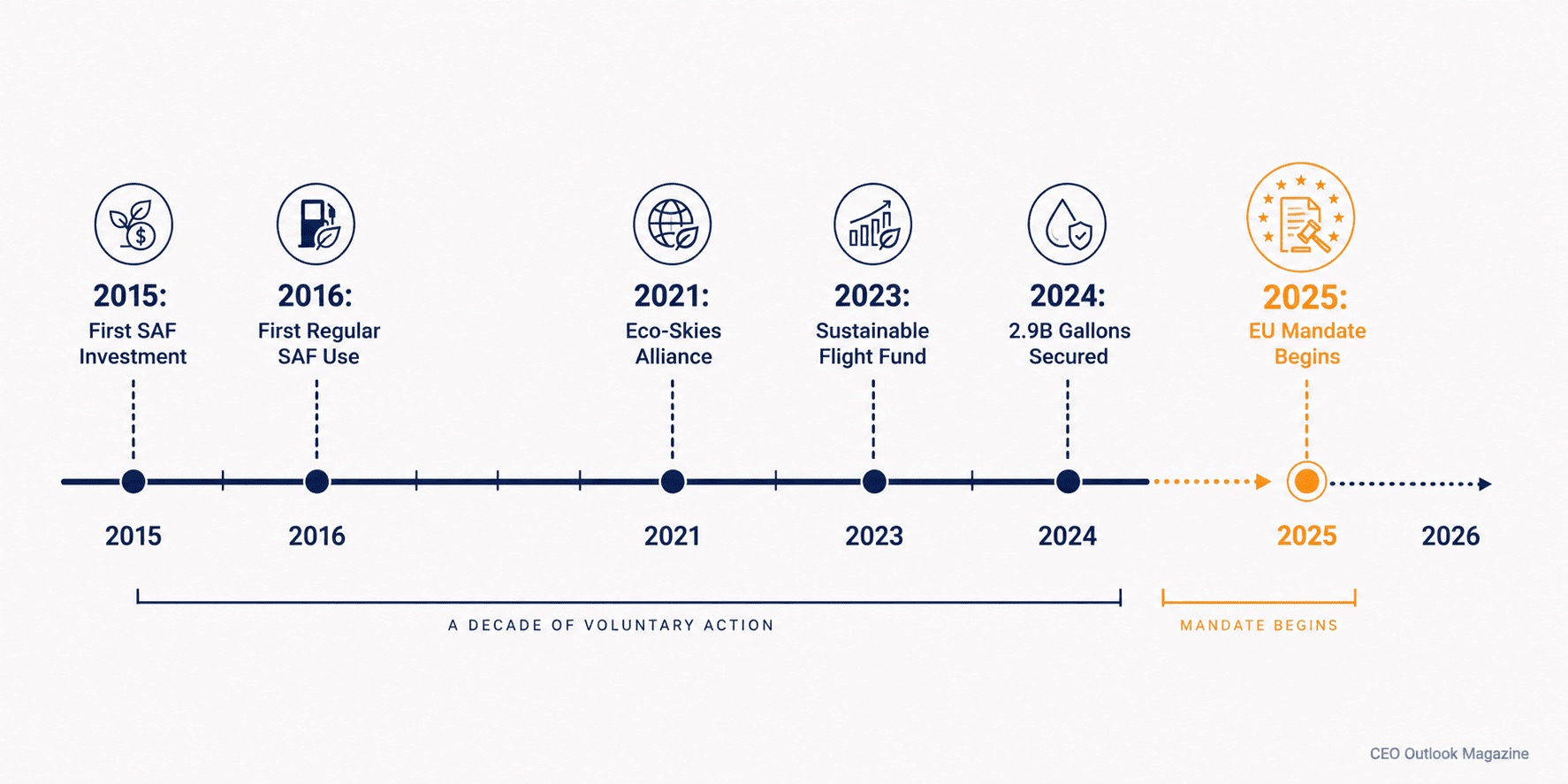
The problem is not unsolvable. Some operators are making measurable progress. Fortescue has allocated $6.2 billion in committed capital to eliminate fossil fuel use across its iron ore operations by 2030, targeting haul trucks, trains, and stationary power with battery-electric and green hydrogen. The company also aims to cut shipping emissions intensity by half from 2021 levels. Ivanhoe Mines has fully electrified its equipment fleet at the Platreef mine in South Africa, providing a completed, operational example of full fleet electrification today—not just a pilot or a plan.
Why "Committed" Doesn't Mean "On Track"
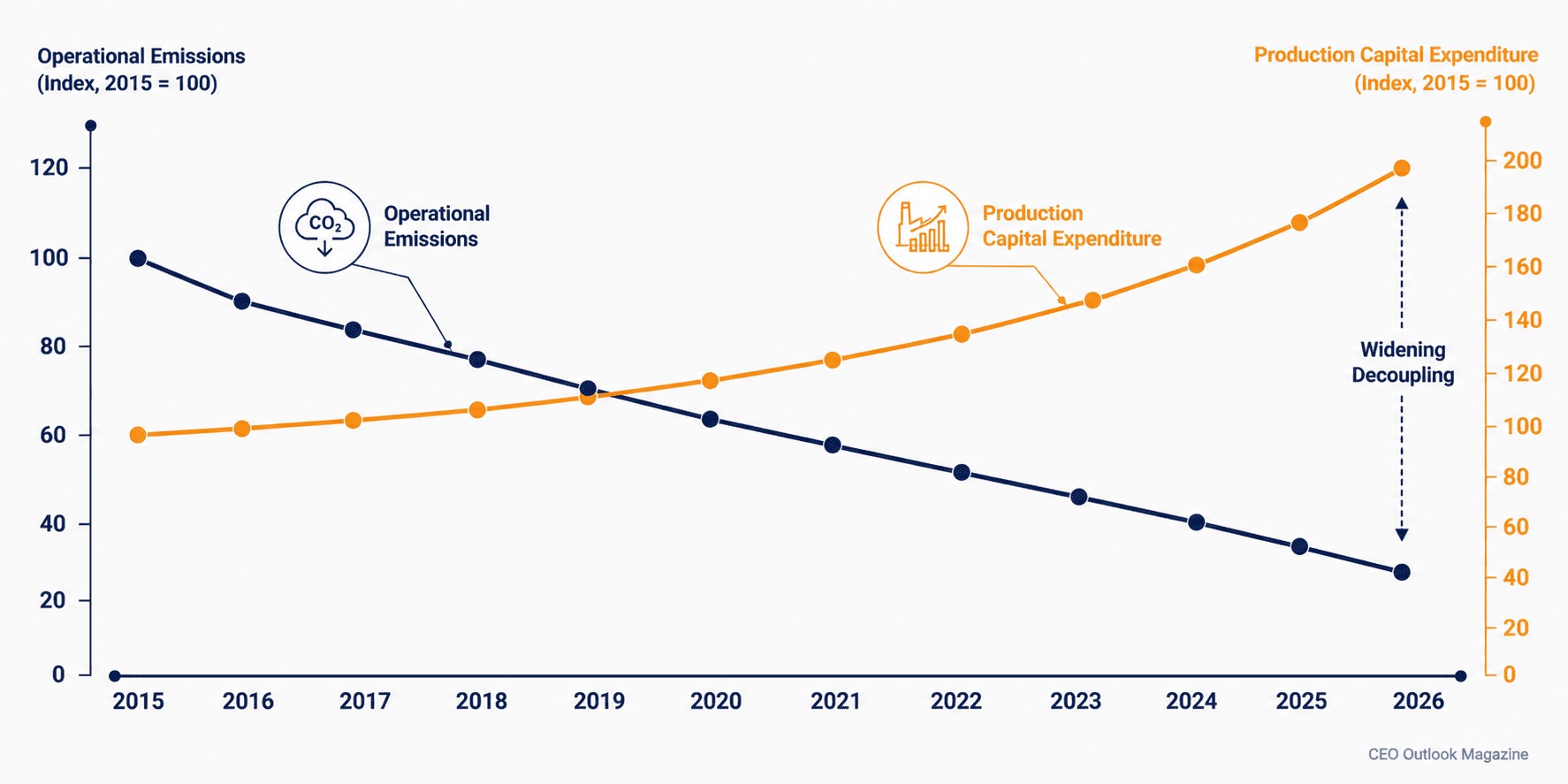
The gap between industry-wide pledges and mine-site reality is where the sustainability math genuinely breaks down for most operators. As recent industry analysis has framed it, mining sustainability outcomes are actually won or lost through unglamorous operational decisions, equipment replacement schedules, shutdown planning, and power procurement contracts. The gap between industry pledges and mine-site reality is where most sustainability math fails. Outcomes depend on operational decisions: equipment replacement, shutdown planning, power contracts, supplier enforcement. Public net-zero pledges do not deliver results on their own. The industry is still committed to its targets. Still, there is more candour about the difficulty of execution—a shift from earlier years, when commitments were made with less scrutiny of what mine-site delivery would require. location and operational execution problem requiring real sequencing across equipment renewal cycles, power contracts, and site-specific infrastructure planning, not a target set once and left to industry-wide averages to catch up to eventually. The sector's sustainability math still doesn't add up in aggregate. Individual operators are proving, mine by mine, exactly what it takes to make it add up for themselves.
Is your organization treating decarbonization as an operational execution problem or primarily a public commitment? CEO Outlook Magazine wants to hear your perspective — share your view with our editorial team, and subscribe to our newsletter for more coverage on the rIs your organization approaching decarbonization as an operational challenge or mainly as a public commitment? The distinction matters.