

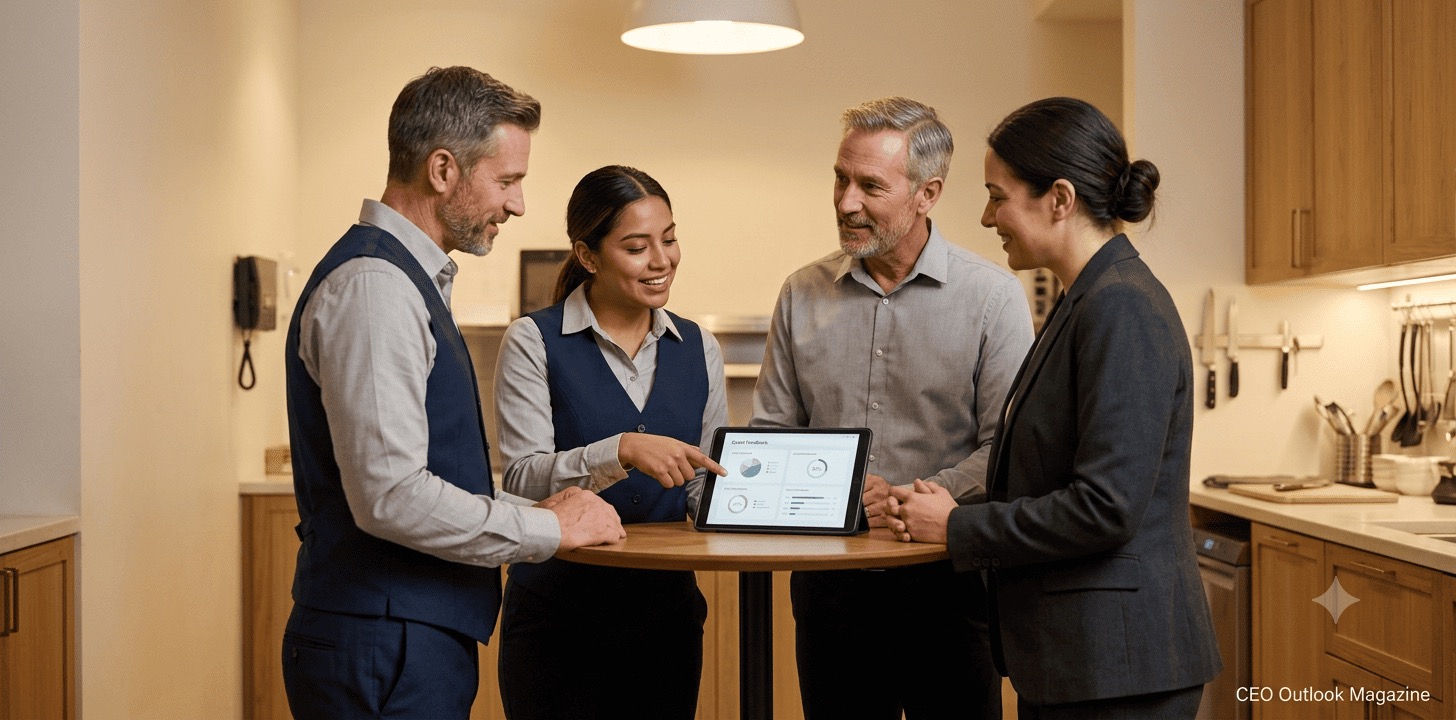
The traditional hotel general manager role was built around a single question: how do I control everything happening in this hotel. Today, the more relevant question is whether the team can perform well when the general manager is not present. This is not a theoretical shift. The old model failed under the pressure of mass frontline departures. It was not management theory that forced the change, but the operating reality that the previous structure could not withstand the loss of experienced staff.
The Question That Changed
Historically, general managers operated within a strict hierarchy. Authority flowed downward, and frontline managers were expected to implement policy, not exercise independent judgment. That approach worked when labor was plentiful and turnover was low. Once that assumption failed, the structure broke down. Leadership now requires building organizations that can make sound decisions at multiple levels, not just at the top. This demands a different kind of authority from general managers than the role previously required.
Why the Old Model Broke During the Resignation Wave
This shift is grounded in evidence: the strongest predictor of voluntary frontline turnover in hospitality is the quality of an employee's direct supervisor, not pay. Command-and-control structures create powerless frontline managers who lack authority to adjust schedules, resolve guest issues, or make decisions without escalation. These managers cannot demonstrate the consistency and ownership that actually drive retention. Centralized structures do not just slow down senior leadership—they systematically weaken management at the level where retention is determined.
What Decentralization Actually Looks Like in Practice
Real organizations have made this shift in practice, not just in theory. Marriott adopted a decentralized structure specifically. Some organizations have already made this shift in practice. Marriott moved to a decentralized structure that gives local hotel managers real authority while retaining corporate oversight. This allows properties to adapt to regional guest preferences instead of enforcing a uniform standard, with measurable gains in guest satisfaction and profitability. At the Royal Savoy Hotel in Lausanne, general manager Alain Kropf set up five staff-led Quality Teams focused on operational improvement. These teams are made up of volunteer employees, not managers, and have the authority to identify and solve problems directly. Cross-collaboration is built in, so staff gain experience across functions rather than remaining siloed. Easy to misunderstand as simply stepping back and hoping things work out. It is not. Empowerment in this context specifically does not mean giving up accountability. It means deliberately building trust, establishing genuinely clear expectations, and then giving capable people enough real autonomy to act within those boundaries, a considerably more demanding leadership posture than either rigid top-down control or passive hands-off delegation. A leader adopting this model still has to interpret information, balance competing priorities, develop people, and make judgment calls when the available data does not provide a clean answer. What changes is where the authority to act on day-to-day decisions actually sits within the organization.
The Technology Trap Leadership Has to Avoid Actively
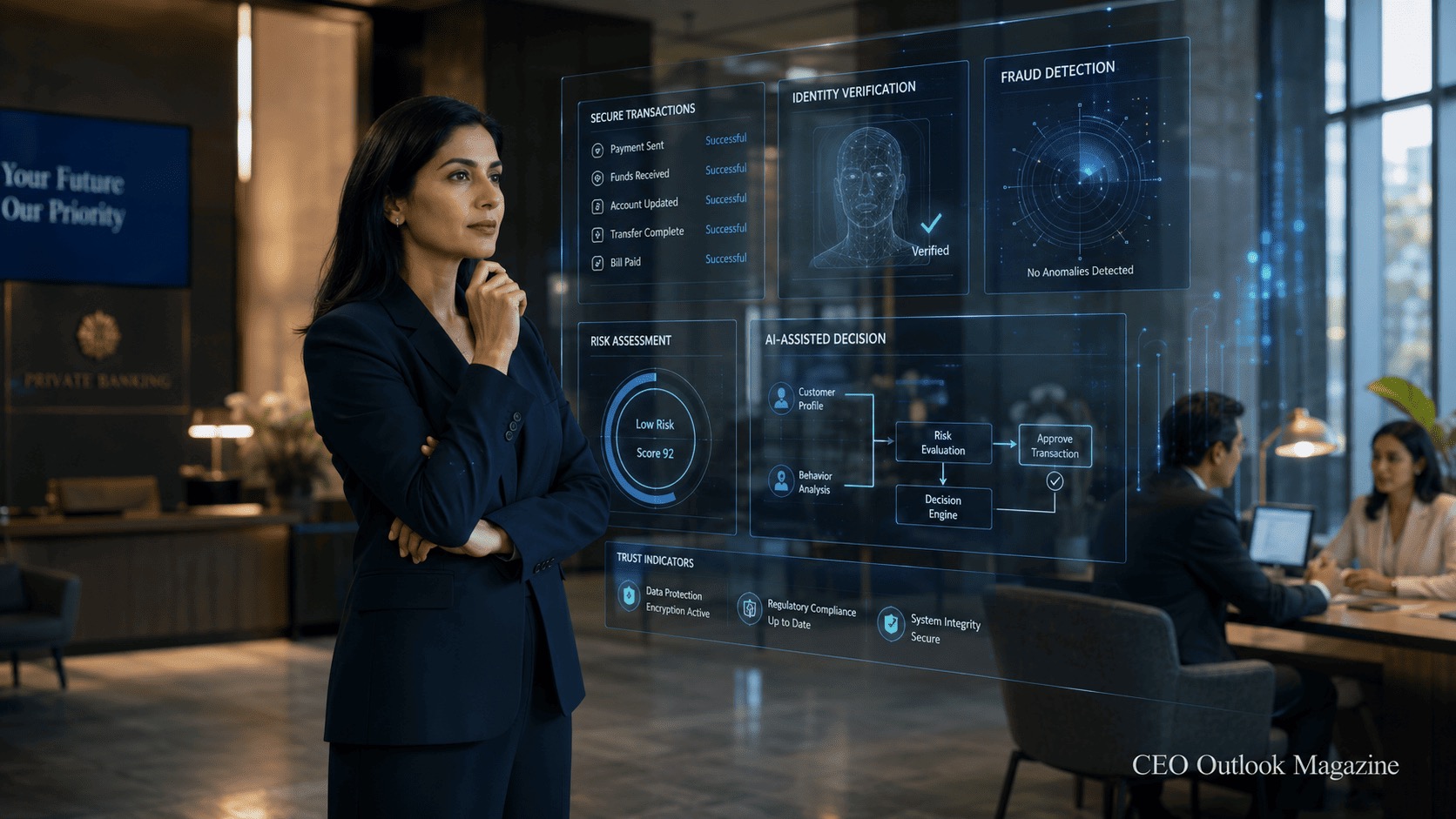
A genuine and underappreciated tension complicates this shift further. Property management systems, revenue management platforms, business intelligence dashboards, and real-time guest feedback tools now give senior leadership access to operational information. There is a real tension here. Modern property management and analytics platforms give senior leaders access to operational data that once took weeks to gather. This creates a temptation to use that visibility for more centralized control, just as the workforce needs more autonomy. How organizations use this data is a leadership decision, not a technical inevitability. Data can stay at the top for oversight, or be shared with frontline managers to enable informed decisions where guests and employees interact. The way an organization handles its data infrastructure reveals more about its leadership philosophy than any statement on a values page.y, and centralized brand standards with the flexibility to adapt to regional and property-specific realities. Organizations still operating on a pre-Great Resignation command structure, where frontline managers exist primarily to execute policy handed down from above, are working against the exact retention dynamics this publication has already documented driving hospitality's persistent labor crisis. The leaders solving that crisis aren't simply raising wages or refining hiring pipelines. They are rebuilding who in the organization is trusted to make decisions.
Has your organization restructured genuine decision-making authority for frontline managers, or does empowerment remain a stated value without structural backing? CEO Outlook Magazine wants to hear your perspective—share your view with our editorial team. The question for senior leaders is whether decision-making authority for frontline managers has actually changed, or if empowerment remains a stated value without real structural support.