


HSBC buiHSBC implemented a rare, transparent approach to accountability: tying a quarter of its top executives' long-term pay directly to carbon reduction and sustainable finance targets. When leadership changed and market pressure increased, the bank reduced the emphasis on these measures. The outcome offers a practical test of whether ESG-linked pay can withstand real operating pressures or if it remains primarily a signaling device. Number, Not a Slogan
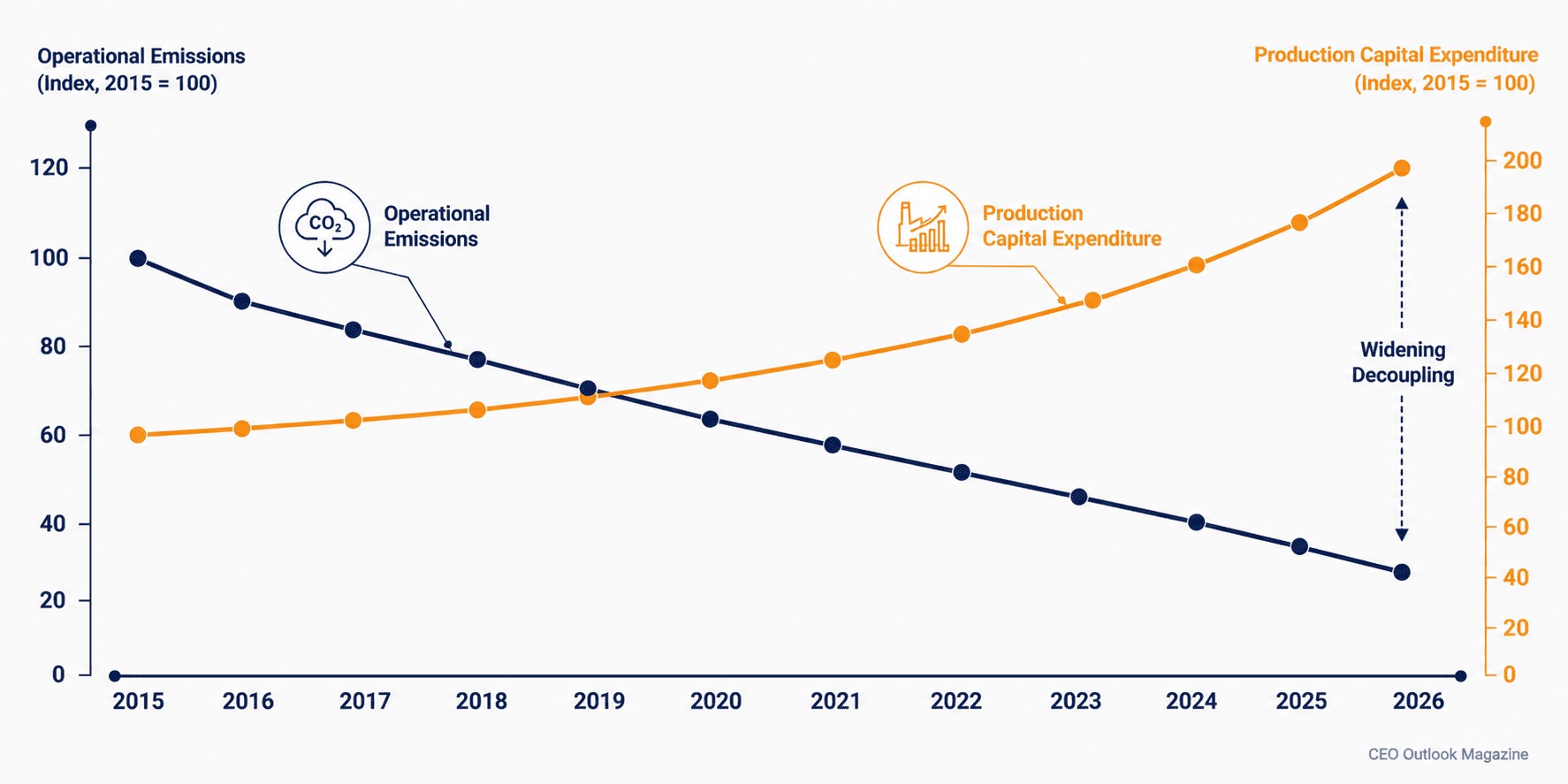
Unlike most companies, which reference ESG in remuneration policies without clear metrics or disclosure, HSBC took a different approach, embedding specific, disclosed targets into its long-term incentive plan. For 2021 to 2023, the 'transition to net zero' metric accounted for 25 percent of executive long-term incentives, divided between reducing operational emissions and increasing sustainable finance. These targets included defined thresholds and were assessed against actual results, with outcomes disclosed in annual filings. Results were clear. HSBC achieved a 57.3 percent reduction in owned-emissions carbon, exceeding its target range and triggering a full payout for that metric. Sustainable finance and investment volumes also surpassed the maximum threshold. For a time, the pay structure functioned as intended: converting a climate commitment into a quantifiable, board-verifiable outcome.
When Incentives Change
Accountability mechanisms are only meaningful if they persist under pressure. In late 2024, HSBC appointed a new group chief executive. Soon after, the chief sustainability officer, who had significant experience in the field, was removed from the executive committee and left the bank. Her successor had a traditional banking background with limited sustainability expertise.
The compensation structure shifted as well. For 2025 to 2027, HSBC reduced the environmental weighting in executive pay from 25 percent to 20 percent, reallocating the difference to shareholder return metrics. The bank also delayed its net zero target for operations and supply chain from 2030 to 2050, citing slower progress in the broader economy, and began a formal review of its financed emissions targets.
HSBC is not the only bank adjusting its approach. Barclays and NatWest have removed climate targets from annual executive bonuses, moving sustainability metrics into longer-term incentives. Barclays has argued that climate performance is better measured over several years. Lloyds, in contrast, continues to include sustainability metrics in its 2026 long-term incentive awards for senior executives, alongside financial and strategic goals.
What the Evidence Shows
ESG-linked pay is not simply optics, nor was HSBC's original commitment insincere. The more practical insight is that emissions-linked compensation depends on the priorities of current leadership. A metric with clear thresholds and verified outcomes is a stronger accountability tool than a vague pledge, but it is still a policy choice. Policy choices are subject to change when leadership or investor priorities shift.
Academic research supports a mixed view. Companies that implement emissions-linked pay often reduce carbon output and improve ESG ratings. However, there is no consistent evidence of improved financial performance, and some studies show a short-term decline in stock returns after adoption. This creates a real tension for compensation committees: even well-designed metrics can face pressure to be diluted if market signals prioritize near-term returns over climate outcomes.
The Governance Challenge
For BFSI boards considering sustainability-linked pay, the more relevant question is whether the board will maintain the metric when leadership changes, shareholder pressure increases, or earnings come under strain. A remuneration policy that only survives in favorable conditions does not provide real accountability. It is a procedural improvement, not a structural one. Companies worth watching over the next several years will not be the ones that announce the boldest emissions-linked pay policy. They will be the ones whose policy still holds three chief executives and two recessions from now.
Boards should regularly assess how resilient their sustainability-linked incentives are under real operating pressure.