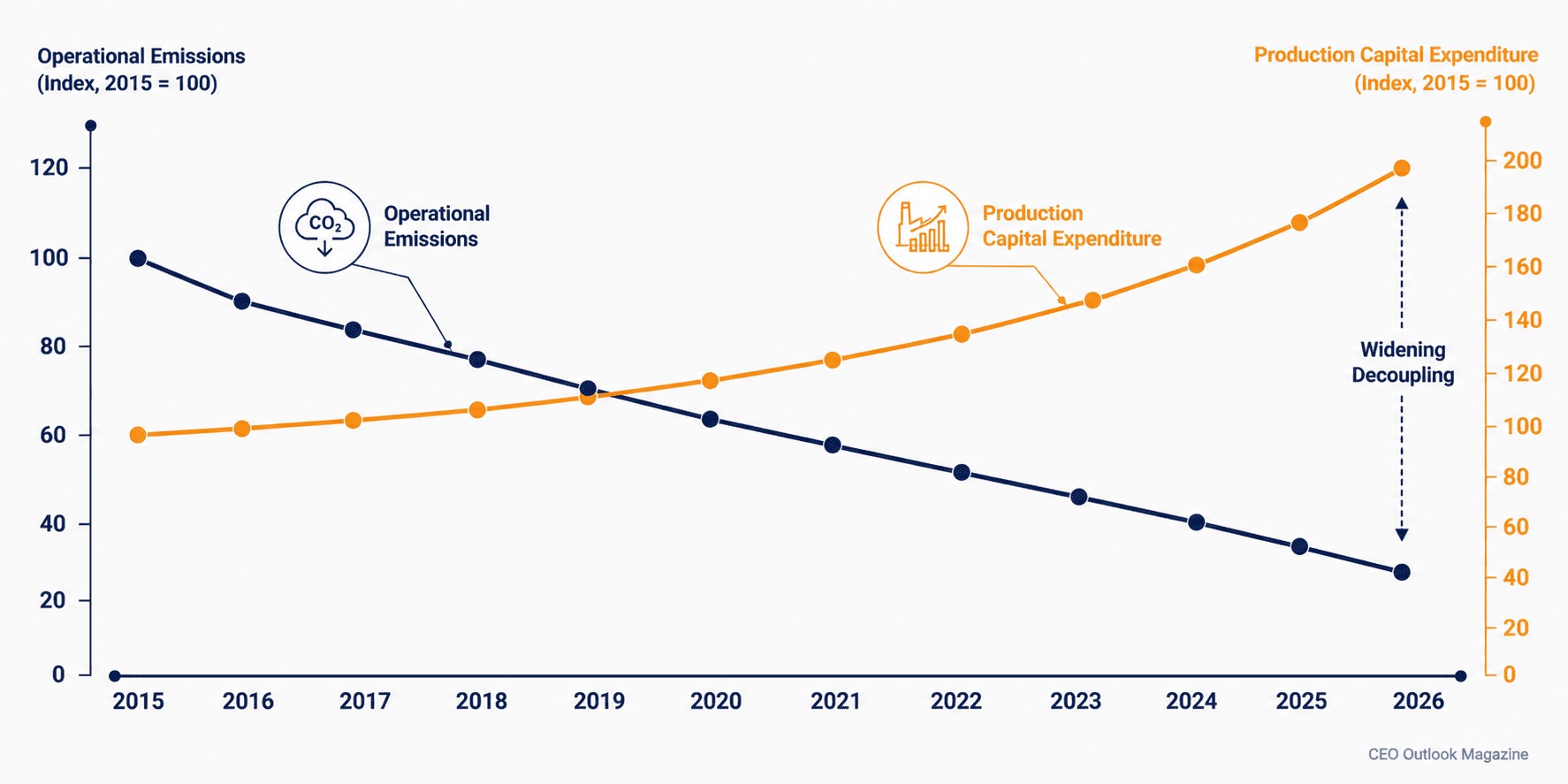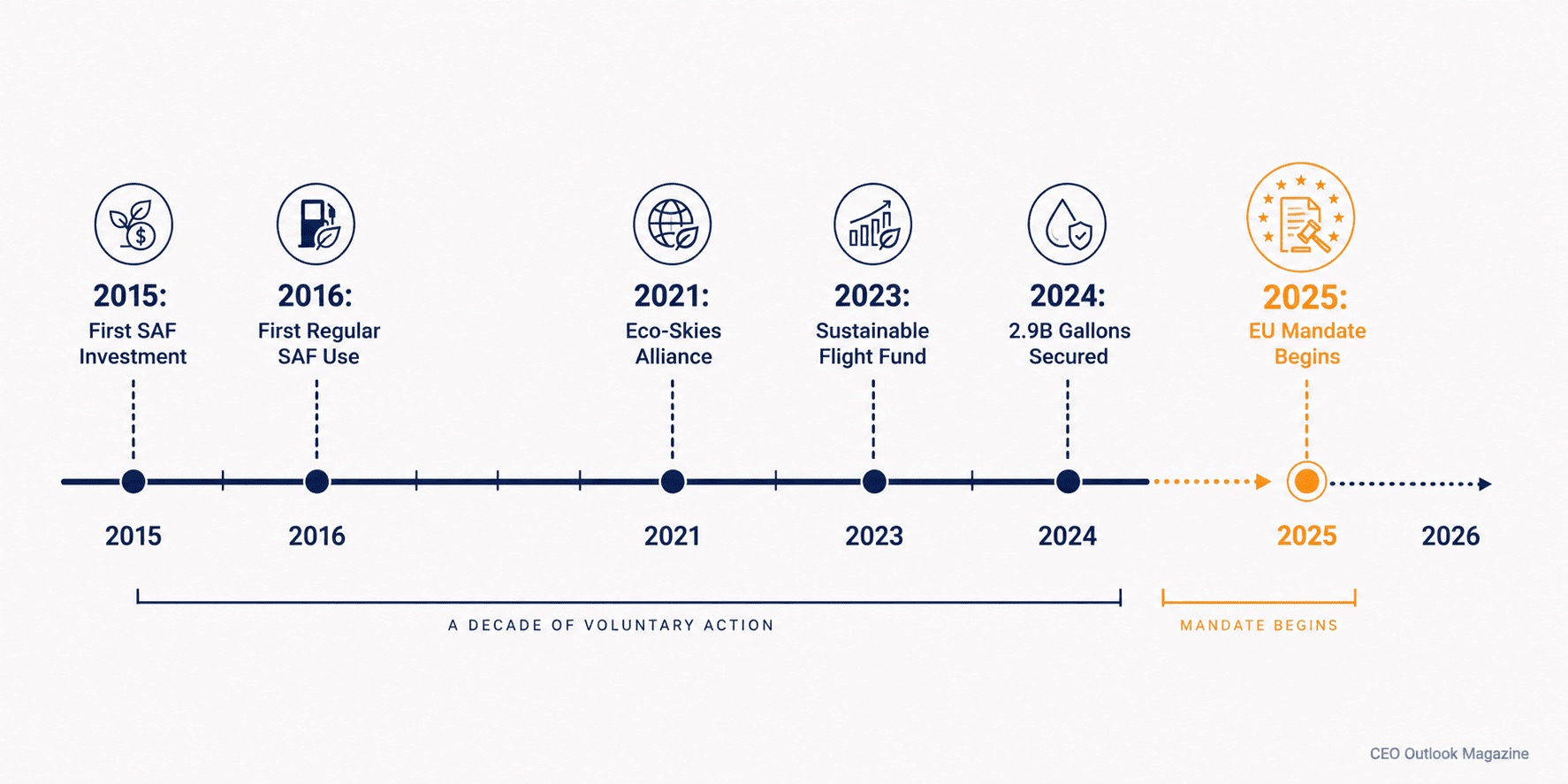


At its annual general meeting in June 2026, the International Air Transport Association acknowledged that sustainable aviation fuel will account for just 0.8 percent of global jet fuel use this year, five years after the industry set a net zero target for 2050. IATA Director General Willie Walsh described the result as disappointing, attributing the shortfall to poorly sequenced government policy and limited engagement from oil companies. The industry is now more open about the scale of the challenge. That transparency, however, is not yet reflected in how airlines present the pace of transition to travelers, investors, or regulators.
The Industry Admits It Out Loud
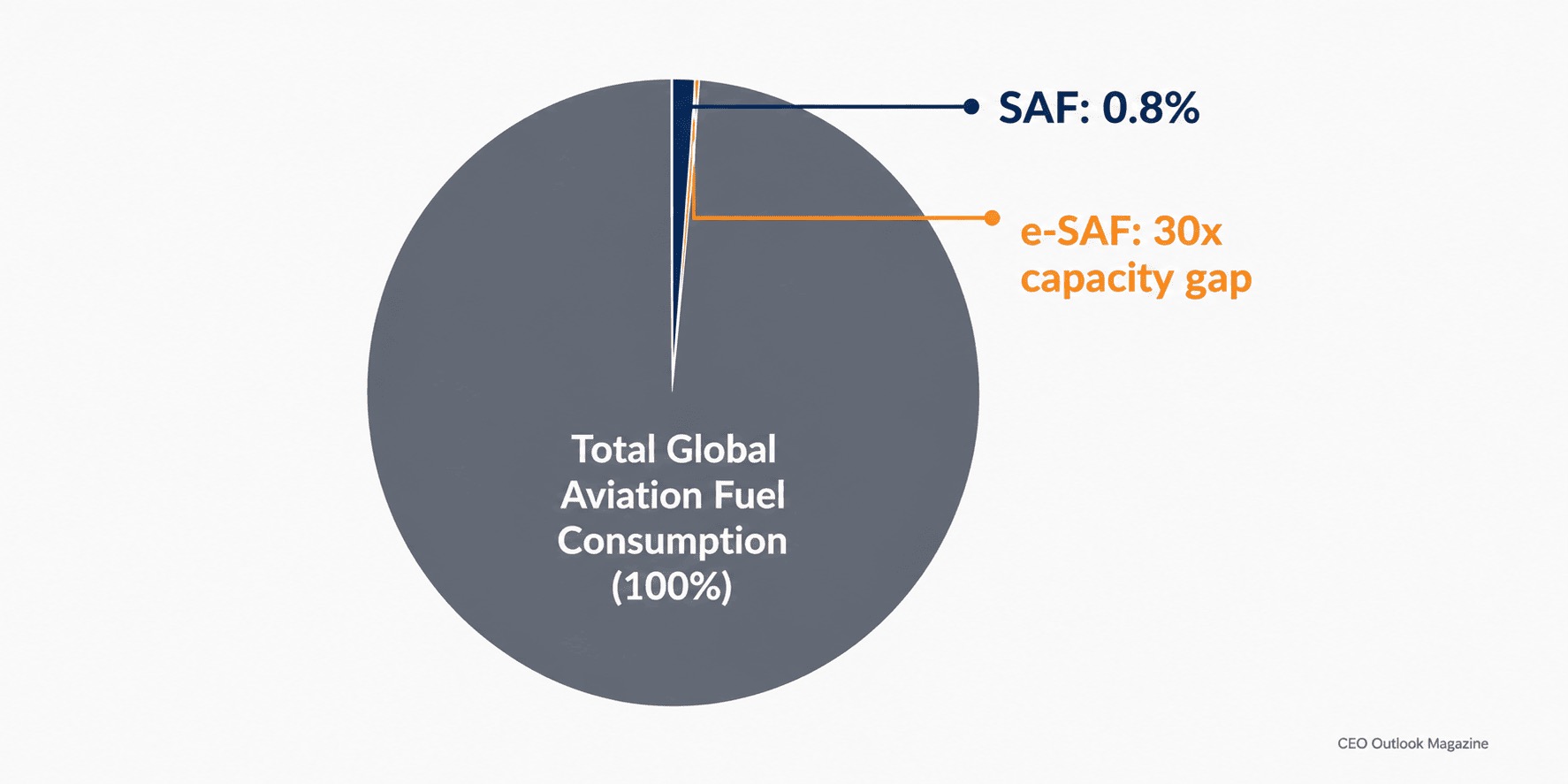
The shortfall is clear. Global SAF production is expected to reach about 2.4 million tonnes in 2026, covering only 0.8 percent of aviation fuel demand. Airlines will spend $4.3 billion on fuel that meets less than 1 percent of their needs. The industry's net zero plan relies on SAF providing 65 percent of fuel by 2050. At current rates, that target is moving further away, not closer. IATA leadership now acknowledges this gap directly, rather than relying on aspirational statements.
The Next-Generation Fuel That's Even Further Behind
The gap is even wider for e-SAF, the synthetic, electricity-based fuel that underpins many long-term decarbonization plans. As of May 2026, global operational and under-construction e-SAF capacity stands at just 0.02 million tonnes, about thirty times less than what current mandates require. Only one commercial e-SAF facility is operating worldwide. Meeting regulatory targets would require around 20 large-scale plants, yet no new final investment decisions have been made in the past year. IATA's senior vice president for sustainability, Marie Owens Thomsen, has called the EU and UK 2030 e-SAF targets completely detached from reality, warning that mandates without production capacity will only drive prices higher.
When the CEOs Themselves Call the Target Impossible
This is not just a trade association's position. In March, the CEOs of Ryanair, Lufthansa, Air France-KLM, and International Airlines Group publicly said the EU's 6 per cent SAF target for 2030 is unachievable. This is a direct admission from the executives responsible for meeting the mandate that current production levels make compliance impossible.
The Cost Structure That Doesn't Disappear With Candor
Even where SAF is available, the price gap remains a structural barrier. Sustainable aviation fuel costs three to five times more than conventional jet fuel. Boston Consulting Group found that airlines and airports are investing only 1 to 3 percent of revenue or budget in SAF adoption, despite public commitments. McKinsey estimates that a voluntary 10 percent SAF blend by 2030 would require airlines to pass 4 to 6 percent of the cost increase to customers through green premiums. This is already happening: Lufthansa Group introduced an environmental surcharge in June 2024 for all EU departures, and TAP and Lufthansa Cargo have also begun passing SAF compliance costs to consumers. Airlines' increased transparency on production shortfalls has not led them to absorb these costs.
What "Real Progress" Actually Looks Like Against the Scale Needed
This does not mean there has been no progress. SAF's share of global jet fuel rose from about 0.3 percent in 2024 to 0.8 percent in 2026. McKinsey's more optimistic scenario, which includes all announced SAF projects, projects capacity could reach 11 to 25 million tonnes by 2030. However, the firm notes significant uncertainty and expects that supply shortfalls will likely persist even in this scenario.
What This Means for Aviation and Investor Leadership
For aviation leaders and investors, the lesson from 2026 is that greater transparency about production shortfalls is a step forward, but it does not mean the gap is closing at the pace public commitments suggest. Those assessing progress toward net zero should focus on internal admissions, the thirty-fold e-SAF capacity gap, the lack of new investment decisions, and CEOs calling regulatory targets impossible, rather than relying on sustainability marketing.
Organizations should base their assessment of aviation's fuel transition on IATA's production data, not airline marketing. Operational progress, not promotional claims, measures the real pace of decarbonization.