

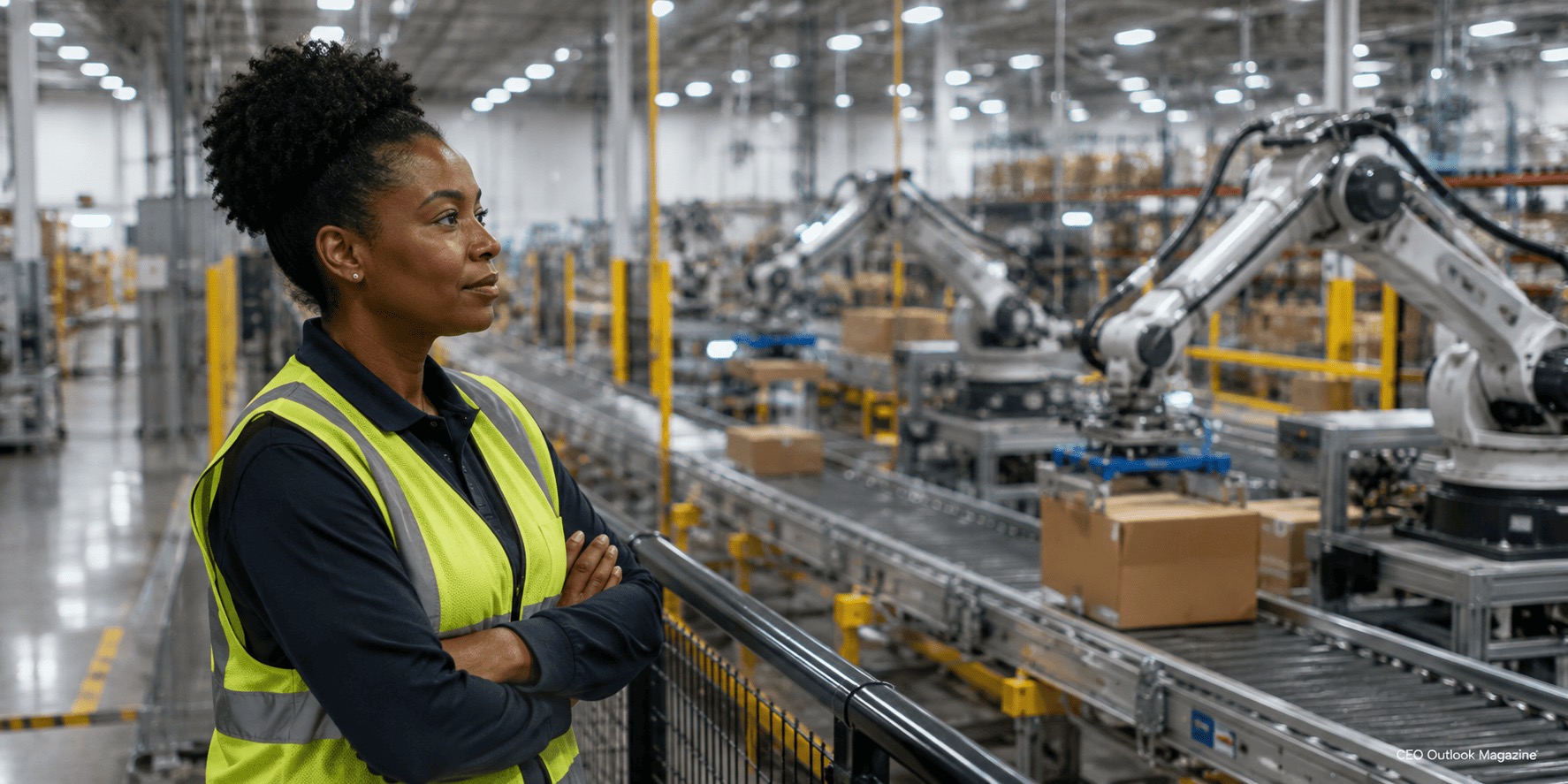
Amazon’s recent unveiling of two new warehouse robots came just days after internal strategy documents surfaced, showing the company designed its automation efforts to increase output without expanding headcount. The documents project Amazon could avoid hiring about 600,000 workers it would otherwise need by 2033. In contrast, the company’s public messaging focused on the 2 million jobs it claims to have created since acquiring Kiva in 2012. Both statements are technically accurate, but the documents show how automation reshapes warehouse work and staffing. The full picture emerges only when the messaging is set aside.
The Documents That Undercut the PR
Amazon’s announcement of the Blue Jay robot and Project Eluna AI system closely followed the leak of its internal automation plans, helping shape the narrative around its automation strategy. The industry is seeing more than a workforce adjustment. What is underway is a structural shift, with AI serving both as a real operational lever and as a rationale for workforce reductions that might otherwise face greater resistance.
What's Actually Happening at the Facility Level Right Now
The most telling data comes from Amazon’s own prototype facilities, not its press releases. In Shreveport, Louisiana, a site with about 1,000 robots now operates with 25 percent fewer employees than a comparable manual facility. Because Amazon expects that gap to reach 50 percent by 2026, it plans to replicate this model in at least 40 more centers by 2027. At sites using the Sequoia and Sparrow systems, which together process about 65 percent of product volume, automation could cut 600 to 800 jobs per large center. Amazon’s total workforce has already dropped by more than 100,000 since its 2021 peak, underscoring the scale of the shift.
The Irony Automation Doesn't Spare Its Own Builders
Automation isn't sparing its own creators. In March 2026, Amazon cut over 100 jobs from its robotics division, following 16,000 corporate layoffs in January and more than 57,000 since late 2022. This comes even as the company maintains a $200 billion capital expenditure plan for 2026, much of it aimed at AI and robotics. The risk is not limited to warehouse staff. When a robotics project is shelved, or a division is consolidated, engineers and researchers face the same job insecurity that their technology creates for the workers it displaces.
The Genuine New Jobs, and Why They Don't Fully Offset the Old Ones
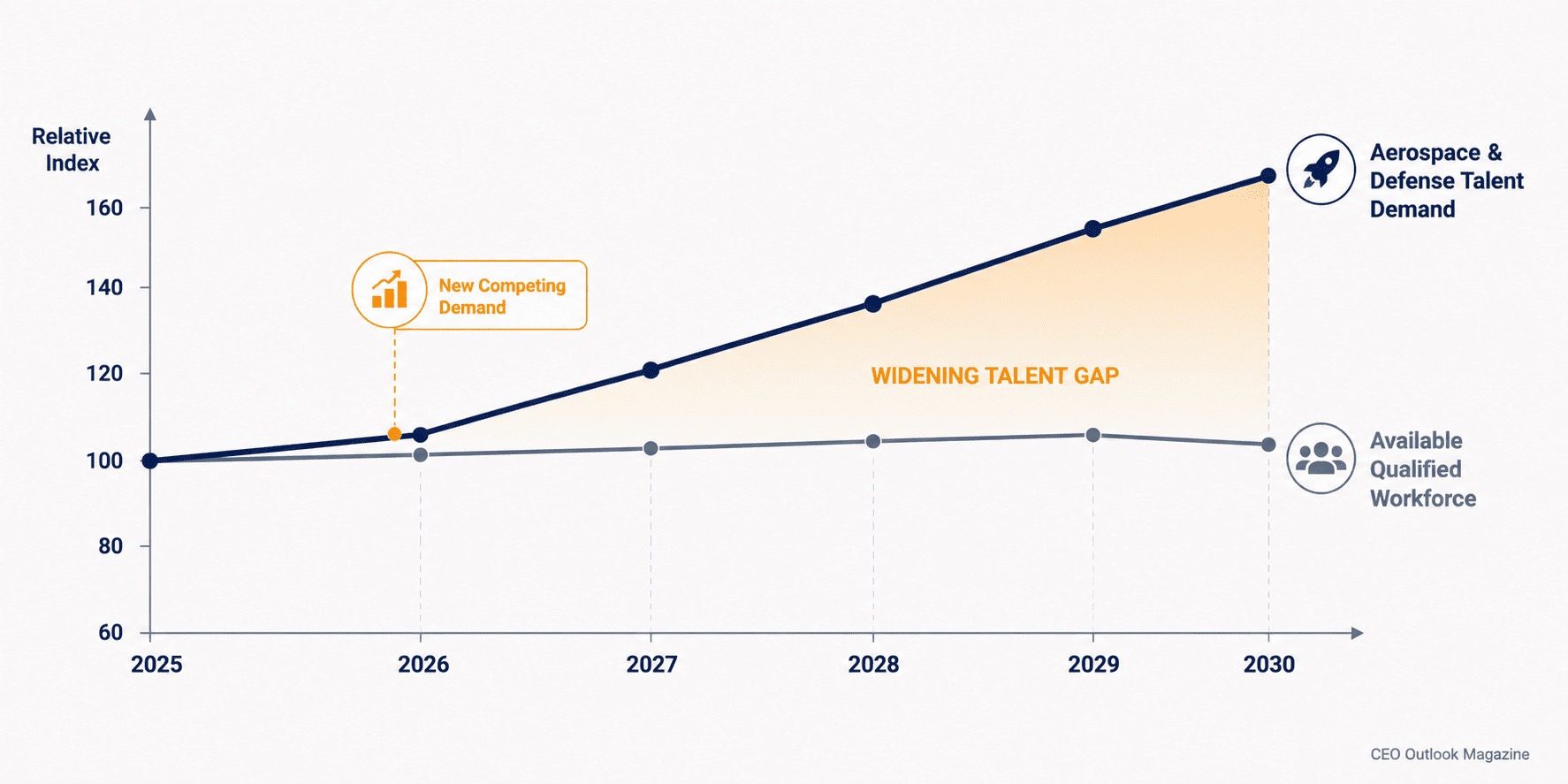
Automation does create new jobs, and these roles pay significantly more than traditional warehouse positions. But the numbers do not balance. Industry estimates point to 2.7 million warehouse jobs lost by 2030, while only about 1.5 million new tech-enabled roles are created. The gap is real because the new positions—robotics technicians earning $60,000 to $85,000, engineers earning $111,000 to $172,000—require technical and analytical skills, often with formal engineering backgrounds, which most displaced workers lack.
Why Reskilling Promises Rarely Close the Gap in Practice
Upskilling programs, including Amazon’s, represent real investment, but their limits are often understated. Only about 60 percent of displaced workers participate when retraining is offered, with age and location as common barriers. Research shows that layoffs without integrated retraining support can lead to long-term unemployment rates of 30 to 50 percent. Amazon’s approach—redeploying about 40 percent of affected workers internally—goes further than many competitors, but it still leaves a significant portion without a clear path forward.
What This Means for Logistics and Workforce Leadership
For logistics leaders, Amazon’s experience shows that public claims about job creation and actual workforce planning are often disconnected. When organizations rely on messaging instead of real internal planning, the transition becomes harder than anticipated. Organizations handling automation responsibly build internal redeployment and retraining pathways before automation arrives, not as a reactive PR measure.
Is your organization's automation rollout paired with genuine internal redeployment planning, or mainly with public messaging about future opportunity? CEO Outlook Magazine welcomes your perspective—share your view with our editorial team, and consider subscribing to our newsletter for more coverage on the future of work in an increasingly automated supply chain.