


Seventy-three percent of tenants now look for advanced technology, smart access, mobile building apps, and real-time energy monitoring when choosing where to lease. The demand is clear. What remains far less certain is whether developers and building owners have the governance, staffing, and risk infrastructure to deliver on that expectation, instead of just installing sensors and calling it a day.
The Demand Is Already Priced Into the Market
Tenants no longer settle for square footage and a working HVAC system. Smart access, mobile-first interaction, and visible energy performance data are now baseline expectations in competitive leasing markets. Buildings without them are falling behind, both in new leases and renewals. The demand is obvious. The reasons so many buildings still lag are less straightforward.
What "Not Ready" Actually Means
Ask building owners what stands in the way of getting more value from smart building technology, and cost comes up first. High data and software costs top the list at 37 percent. But just behind are a set of organizational barriers: a third point to a lack of in-house skill to analyze the data, 31 percent cite integration complexity, and many mention software usability problems. The same pattern holds for AI-driven building tech. High adoption cost leads at 34 percent, but lack of in-house AI expertise, integration headaches, and resistance from staff or stakeholders are close behind.
This matters because it challenges the idea that smart building adoption is just a purchasing decision. Writing a check for sensors and software is easy. Building the internal capability to use what those systems produce, and getting the organization to actually change how it operates, is much harder and slower.
The Real Barrier Isn't the Technology
Industry analysis points to a sharper diagnosis. The main constraint on getting real returns from smart building investment is not the technology. It is the lack of a governance and risk model to support it. Buildings are being wired with connectivity that owners have not fully factored into their risk management. That gap is now showing up in a place many developers did not expect: insurance coverage.
The Cybersecurity Blind Spot Insurers Are Now Punishing
Standard cyber insurance policies often do not cover building automation systems by default. Insurers are now declining coverage or refusing renewals when owners cannot show basic controls, especially real separation between the networks running building systems and the standard IT network. This is not a future risk. It is happening now. Developers who installed smart building infrastructure without building the right network security may find out the hard way—not through a breach, but through a denied insurance renewal.
New Build vs. Retrofit: A Structurally Uneven Playing Field
The economics of getting ready depend on where a building is in its lifecycle. For new construction, planning sensors, power, and network infrastructure from the start can cut smart building costs by up to 40 percent compared to retrofitting later. That gap is real. Developers building new start from a much lower cost base than owners of existing buildings, who face expensive, invasive retrofit work on legacy systems that were never meant to be connected.
Financing is widening this divide. As green loans and ESG-linked financing become more common, lenders now favor developments that can prove real sustainability performance. Developers who skip smart building investment are not just missing an opportunity—they are facing higher capital costs later. Verification standards are tightening too. The UK's Net Zero Carbon Buildings Standard, launched in March 2026, now requires twelve months of measured in-use performance data before a net zero claim counts. That is a real shift from the old days of unverified design-stage claims. Developers treating smart building investment as a marketing checkbox, rather than a real operational commitment, will find that gap exposed as these standards spread.
The Talent Gap Underneath It All
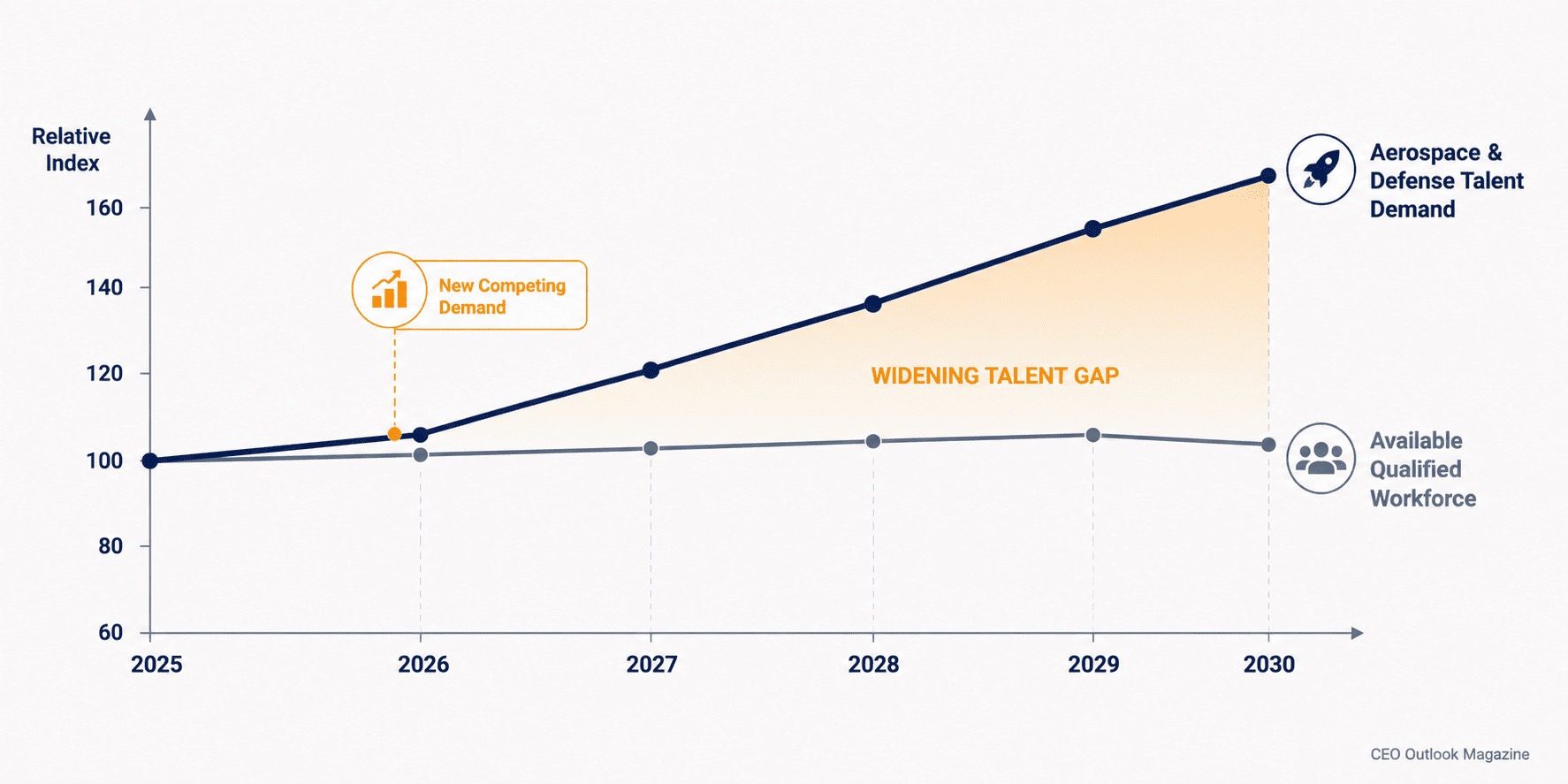
Even developers with capital and real intent hit the same wall: a shortage of professionals who can actually run these systems. Building information modeling specialists, IoT engineers, and data scientists who can pull real insight from building data are still in short supply. This shortage underpins nearly every other barrier. Adoption rates vary by region. Nordic markets reach about 75 percent adoption among large developers, thanks to deep digital readiness. Many other markets lag, even with similar capital.
Where This Leaves Developers
Smart buildings are no longer a speculative technology bet. The demand is real. The tools work. Financing now rewards developers who invest seriously. What most developers lack is not access to technology. It is the governance, network security, and in-house talent needed to deploy it responsibly. Without that groundwork, insurance, financing, and verification standards will quietly penalize them.
Most organizations say they have a smart building strategy. Fewer can point to real governance or cybersecurity readiness behind it. The difference between leaders and laggards is not the number of sensors. It is what happens after the installation.