

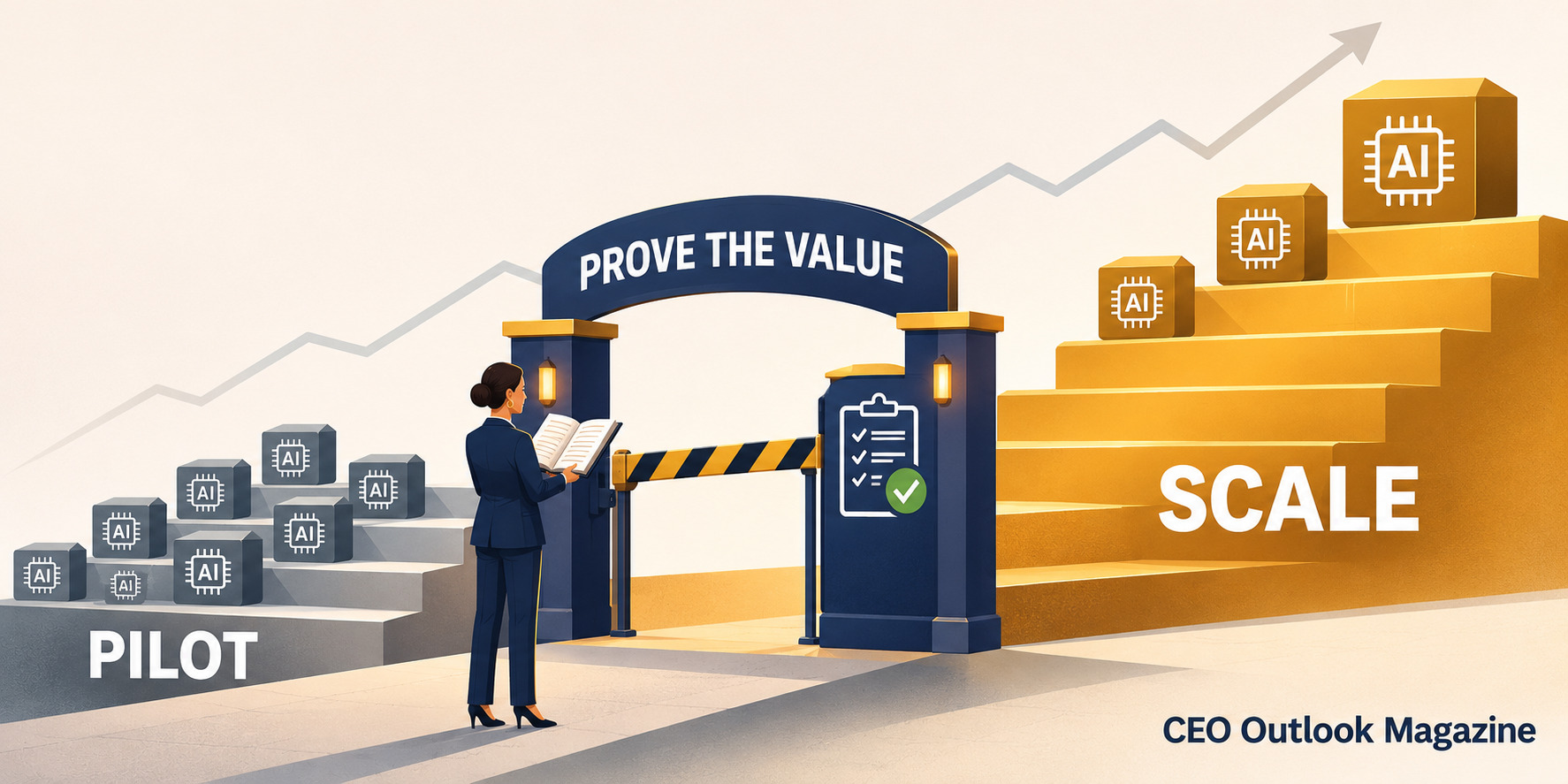
AI budgets keep rising, but most organisations cannot point to clear returns. CEOs who set a hard standard for proof before releasing more capital will avoid spending ahead of evidence.
Gartner expects global AI spending to reach $2.5 trillion by 2026. Yet only 22 percent of organisations in its recent survey have scaled AI across business units or adopted an AI-first approach. In Brussels, that gap between spending and proof has become a policy and boardroom problem, not just a technology issue. The real question is what evidence justifies the next round of investment.
Spending is outpacing results. BCG reports that most companies plan to double AI budgets this year, and nearly all will keep investing even without immediate returns. PwC found that over half of CEOs saw neither revenue growth nor cost reduction from AI in the past year. Only a small minority saw both. IBM’s data shows just a quarter of AI initiatives delivered expected returns over three years. Most organisations are betting on conviction, not evidence.
AI is delivering value, but it is concentrated in a small group. PwC found that the top 20 percent of organisations captured nearly three-quarters of AI-driven returns. KPMG reports that while most claim measurable value, only a quarter are scaling AI across multiple use cases. The first question for any CEO is whether the company is in the minority earning real returns, or among the majority still searching for them.
Boards are demanding answers. Nearly all CIOs now report increased board pressure to show measurable AI returns. The gap becomes obvious when finance or the board asks for a portfolio view and the evidence is missing. Many organisations are running dozens of pilots with no clear decision to fund or stop them. That is capital and leadership attention spread thin, with little to show for it.
The organisations earning real returns manage AI as a portfolio. They track results continuously, move capital from underperforming projects, and stop what isn't working. This is management discipline, not a technology decision. Consistent measurement is what allows a company to scale the right projects and defend those choices to the board.
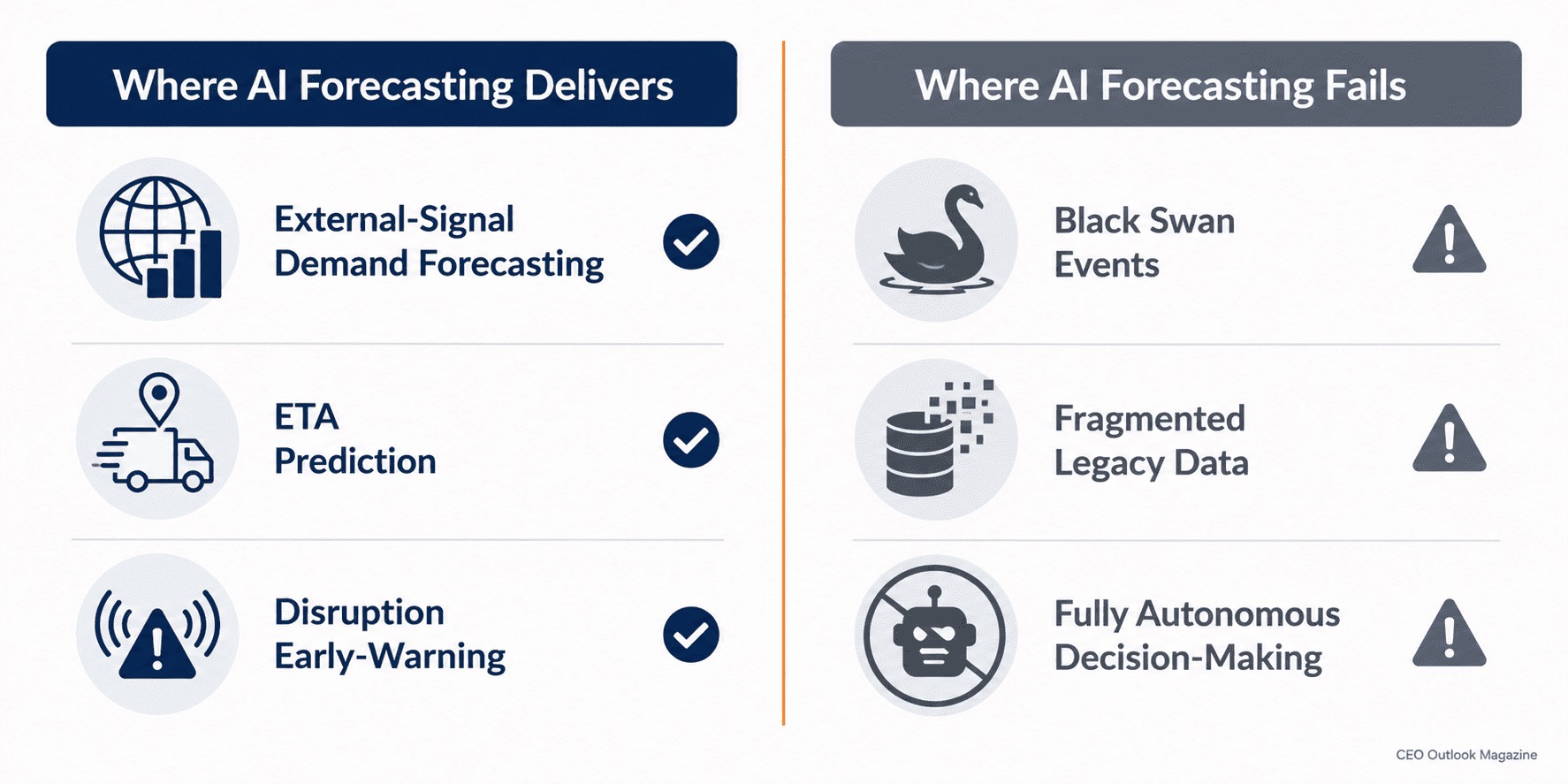
Start where proof is easiest. One 2026 industry analysis of AI spending points to demand forecasting as a use case where returns show up in inventory cost, because the data is already available. The broader lesson is that projects with a measurable baseline and clear ownership are easier to justify. Early, provable wins build credibility for larger bets. CEOs should fund what they can measure first, then use those results to set the standard for more complex projects.
Proof does not mean pause. Insisting on evidence is not a call to stop investing in AI. Some benefits take time, and some are harder to measure than a cost saving. KPMG’s data shows returns arrive in stages as organisations mature, which justifies patience when the case is strong. Overcorrecting is its own risk. The organisations earning the most are still investing. The goal is to choose evidence over momentum when approving the next tranche.
What this means: the AI reckoning is a management test, not a technology one. The surveys show that most organisations are spending, few are earning, and many do not know which group they belong to. The CEO’s job is to close that gap: define return, set baselines, release funding in stages, and stop what is not working. A CEO who can show the board what the last tranche delivered will have a much easier time securing the next.