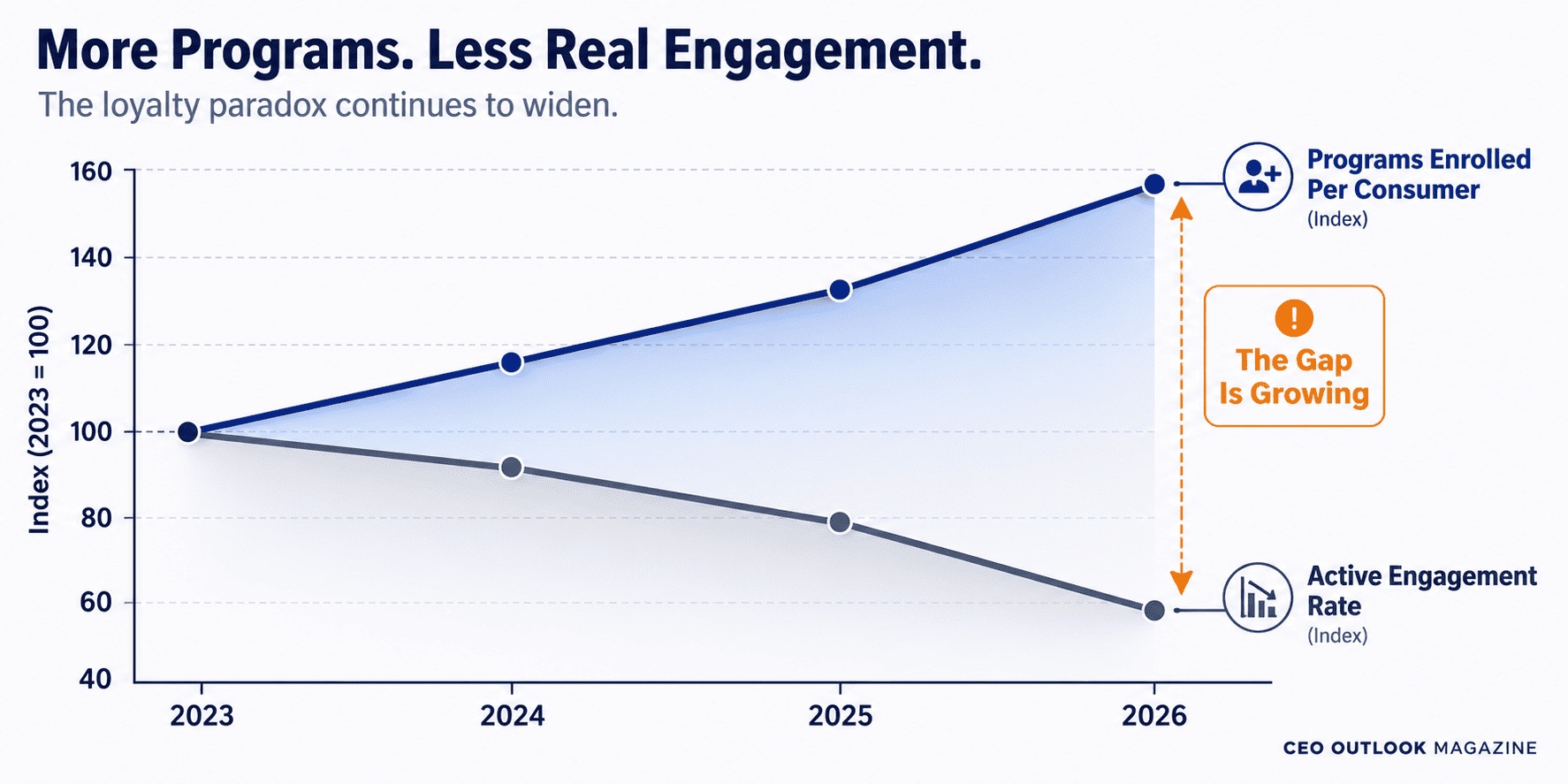


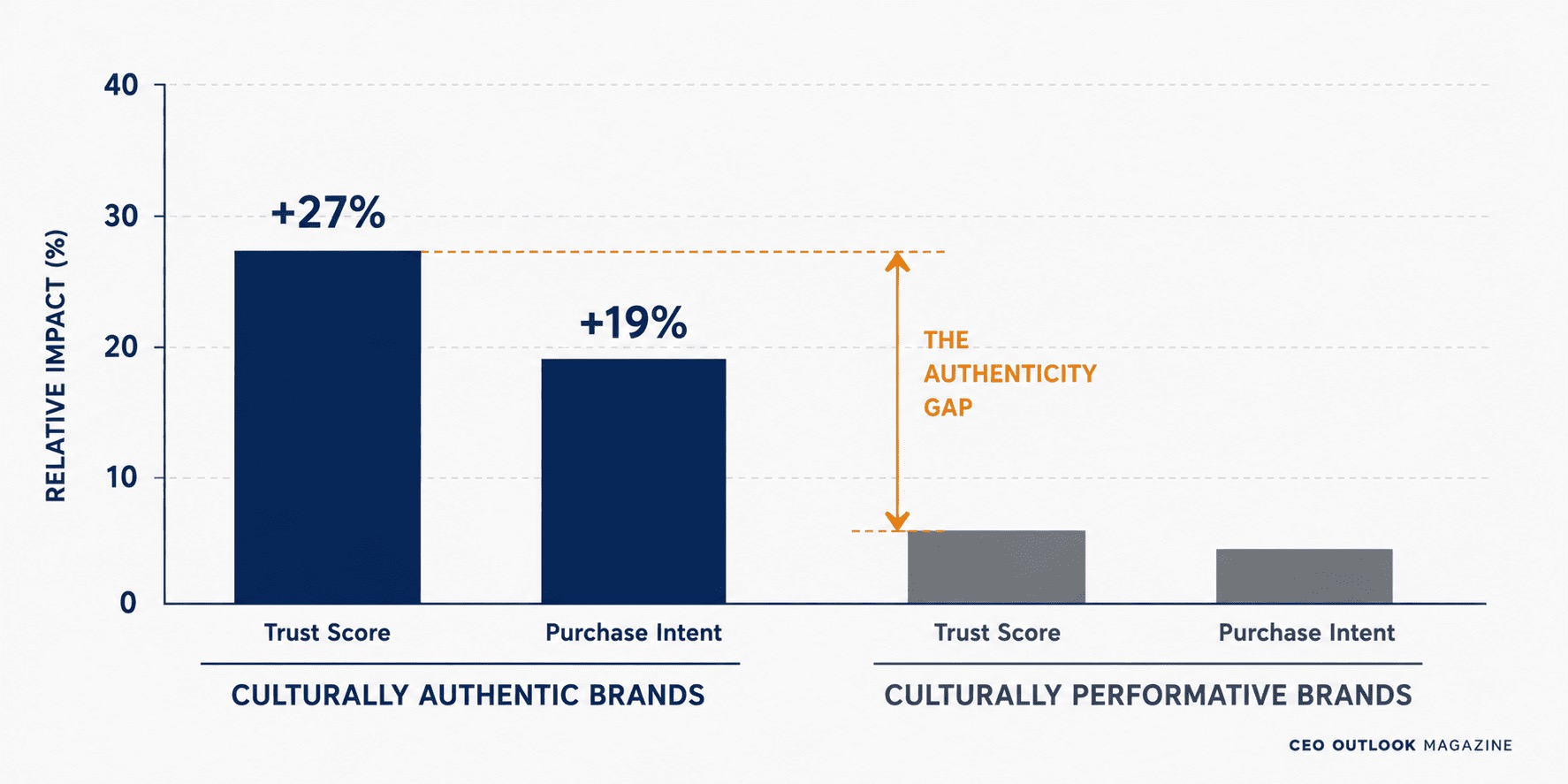
Peer reviews now outweigh brand messaging in most purchase decisions. Nearly eight in ten shoppers read multiple reviews before buying, using actual customer experience to test marketing claims. The implication is clear: brand strategy without real product substance is not just less effective, but increasingly a liability. Audiences can verify claims instantly.
Why Marketing Can No Longer Outrun the Product
Brand messaging once relied on an information gap. Companies could shape perception faster than customers could verify claims. That window is now closed. Consumers use peer reviews and user-generated content as their primary test of authenticity, cross-checking claims before buying. This shift fundamentally limits what marketing can achieve if the product does not deliver.
The Real Cost of the Gap
The financial impact of the gap between brand and product is now quantifiable. Kantar's BrandZ research, covering 12,000 consumers in 18 countries, found that brands seen as genuinely authentic earned higher trust and purchase intent than those viewed as performative. The effect is most pronounced in categories like beauty, fashion, and food, where consumers can quickly test claims for themselves. Notably, 85 percent of consumers say they would pay more for brands they consider authentic. The upside for closing the gap is real, not just a way to avoid backlash.
Why AI Content Makes the Gap Worse, Not Better
The tools brands use to scale content production are often making the authenticity gap worse, not better. Only a small minority of consumers say AI-generated marketing content increases their trust, while nearly a third say it reduces it. Producing more polished content with AI does not address a real product gap. In many cases, it compounds the problem, as audiences now recognize templated, AI-driven content and treat it as a negative trust signal.
The Consistency Trap
One of the more counterintuitive findings in current brand research concerns what happens when a brand's claims come under public pressure: shifting positions in response to backlash often does more reputational damage than holding the original position or never making the claim at all. For product truth, the lesson is clear: overstating a claim and then reversing course under pressure confirms the original claim was not true, turning a single misstep into a lasting credibility problem. The better approach is to avoid unsupported claims in the first place. Or why brand strategy cannot outrun product truth is organizational rather than creative. A brand whose internal culture has genuinely decoupled from its external positioning will eventually reveal that gap, no matter how sophisticated the marketing execution. When an organization's own team genuinely believes in and lives what the brand claims to stand for, that conviction shows up naturally across every customer touchpoint, sales conversations, customer service interactions, and product decisions, without requiring marketing to manufacture it. When internal reality doesn't match the external claim, no amount of creative production can consistently fill that gap, because it surfaces the moment a customer interacts with anything beyond the advertisement itself. This is precisely why McKinsey's research into European marketing leadership found authenticity climbing to fourth among CMO priorities, with four of the top five priorities pointing explicitly toward long-term trust-building over short-term campaign activation, a genuine shift in where senior marketing leaders now believe competitive advantage actually comes from.
What This Means for Brand and Marketing Leadership
For consumer and entertainment brand leadership, the practical implication is that marketing investment aimed at closing a genuine product or culture gap through creative execution alone is now measurably less effective than it once was, and increasingly lFor brand leaders, the practical reality is that marketing spend aimed at closing a real product or culture gap through creative execution alone is now less effective and more likely to backfire. Consumers can verify claims directly and respond negatively to artificiality. The brands that succeed are those whose internal reality matches their marketing, giving creative teams something real to communicate. Brand strategy still matters, but it can no longer substitute for product truth. ur editorial team, and subscribe to our newsletter for more coverage on what actually builds durable brand trust.