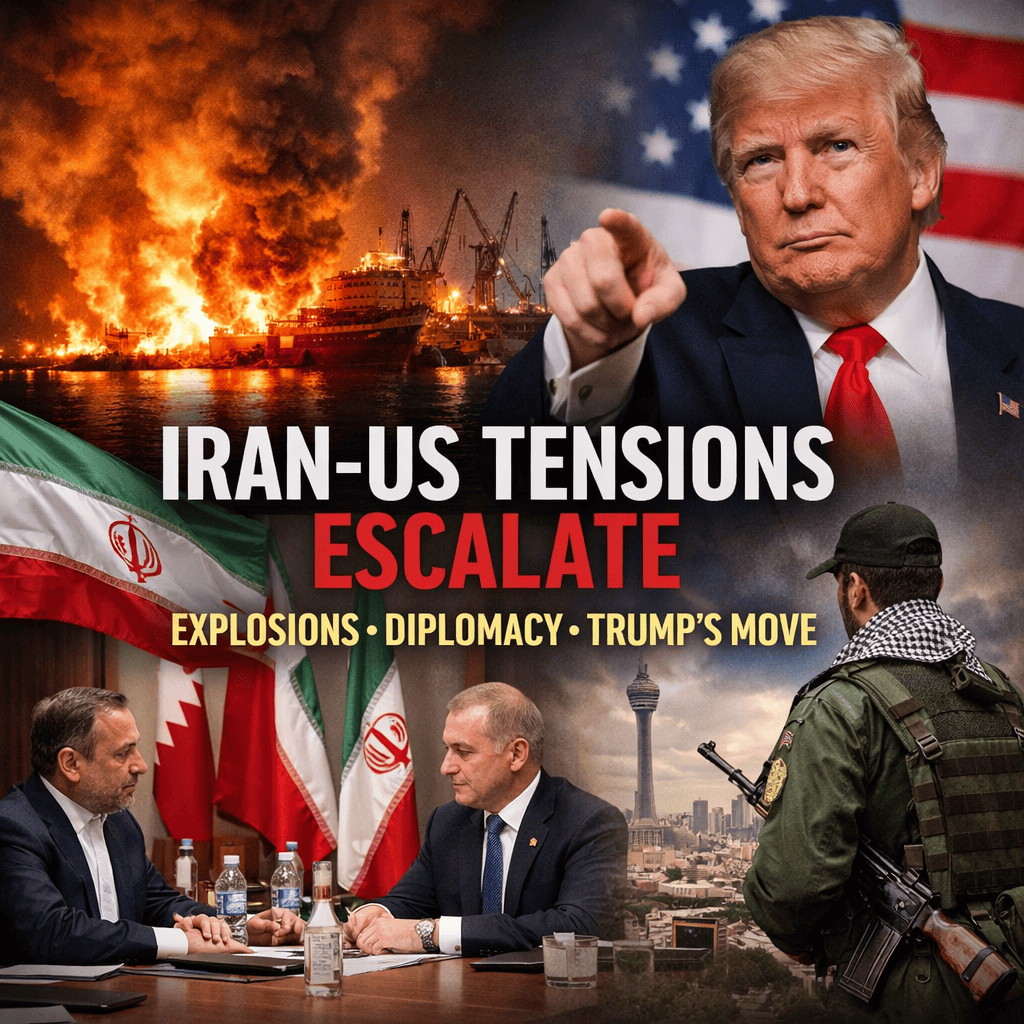
A surge in Iran‑US tensions is reshaping the regional landscape as explosions hit key Iranian cities, nuclear diplomacy reemerges, and President Trump weighs a response that could recalibrate or inflame the crisis.
Over the past week, several Iranian cities—most notably Bandar Abbas and Ahvaz—have been rocked by explosions, leaving at least four people dead and injuring over a dozen. While Iranian authorities have cited technical faults like gas leaks and industrial malfunctions, the near-simultaneous timing and strategic locations—particularly near military or energy infrastructure—have sparked speculation about potential sabotage. The Iranian government has aggressively dismissed these theories, but security forces have increased their presence in the affected areas, reinforcing the public sense of unease.
Meanwhile, diplomatic overtures between Tehran and Washington are quietly accelerating. A new round of nuclear talks is slated for Friday in Istanbul, with U.S. Special Envoy Steve Witkoff and Iran’s Foreign Minister Abbas Araghchi leading the effort. Facilitated by regional mediators including Turkey, Qatar, and Egypt, these negotiations aim to break the deadlock over Iran’s enrichment program and military posture in the region. Analysts suggest that while progress is possible, the core sticking points—ballistic missile development and Iran’s support for proxy groups—remain unresolved.
President Trump’s posture is also shaping Iran‑US tensions. His administration continues to walk a tightrope between hawkish rhetoric and diplomatic signaling. In recent remarks, Trump hinted at “severe consequences” if talks collapse, while also expressing a guarded willingness to strike a deal. His unpredictability is deliberate: it keeps both allies and adversaries guessing, a tactic that insiders say is designed to extract better terms from Tehran while avoiding full-scale war.
On the Iranian side, internal politics are shifting. The Supreme Leader has endorsed talks, but hardline factions remain deeply skeptical. Simultaneously, Iran is managing unrest at home. Protests driven by inflation, energy shortages, and crackdowns on dissent have put additional pressure on Tehran’s negotiating team to secure relief without appearing weak.
Regional powers are stepping in to prevent further deterioration. Qatar and Russia have initiated backchannel talks aimed at de-escalation, fearing that unresolved Iran‑US tensions could ignite broader conflict, disrupt oil flows, and destabilize neighboring states.
What emerges now is a high-stakes balancing act. Iran is signaling readiness to negotiate, but only on its terms. The U.S. is leveraging ambiguity, pressure, and the threat of force. And Trump’s next decision—diplomacy or escalation—could define the trajectory of Middle East stability in 2026.